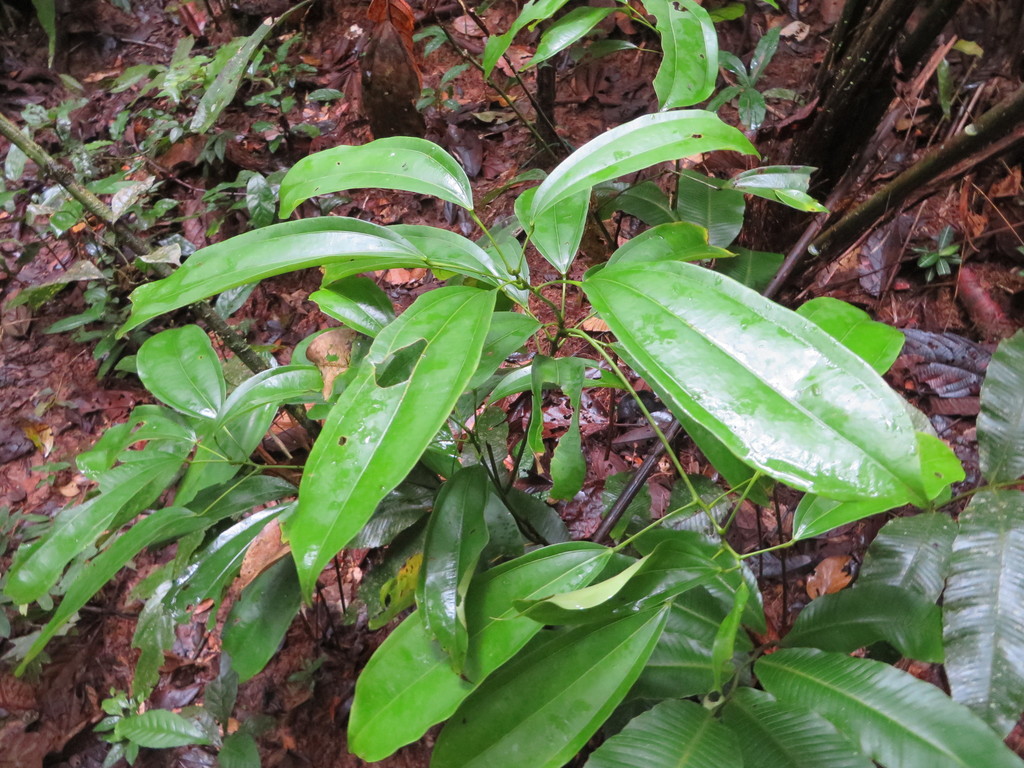
Abuta grandifolia
- Origin
- South America
- Part used
- See detailed notebook
- Tradition
- Traditional ethnobotany
Abuta grandifolia, a vine of the great Amazon rainforest, is nicknamed by some riverine peoples the “women's staff,” so concentrated has its traditional use been on women's health. Healers of Amazonia pass down its knowledge from generation to generation, tied to the bark and root of this climbing vine.
Traditional uses
Support for the female cycle
Traditionally, Abuta root was used by Amazonian women to accompany menstrual troubles and the postnatal period. It is sometimes referred to as a women's plant in local pharmacopoeias.
Traditional digestive support
The bark, as a decoction, was used to soothe digestive discomfort and abdominal pain according to the popular usages of riverine communities.
An old fever remedy
Certain traditional pharmacopoeias report the use of Abuta against feverish states and diffuse pain, in keeping with other bitter forest vines.
Relief of joint inflammation
A root decoction was sometimes applied or traditionally consumed to relieve joint and rheumatic pain.
What to know before use
A plant containing active alkaloids (including curare-related compounds): use reserved for experienced practitioners, and only after consulting a healthcare professional. Strongly discouraged during pregnancy due to its traditional use related to uterine troubles and its potential effects on the uterus. Avoid in children, during breastfeeding, or in combination with medication treatments without medical advice. Do not self-prescribe: the traditional uses reported here are in no way a substitute for a diagnosis or medical follow-up.
The detailed notebook
- Prepared as a paste or decoction
- Traditional duration of use
- Known contraindications
- Related species and their uses
Where to find it
Partner herbalists — available with the detailed notebook.
Sources
PFAF