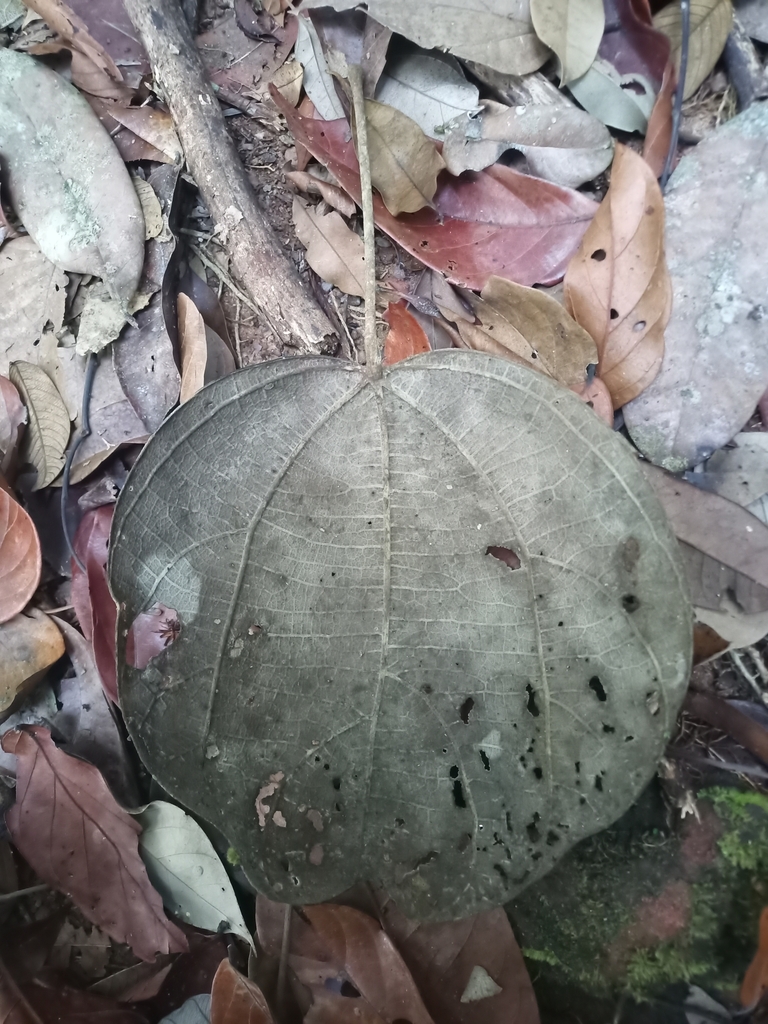
Abuta rufescens
- Origin
- South America
- Part used
- See detailed notebook
- Tradition
- Traditional ethnobotany
Abuta rufescens, a vine of the Amazon rainforest, is sometimes called by traditional healers the “witch's vine” or “bejuco de la vida” (“vine of life”). Used for generations by the peoples of Amazonia, it holds a discreet but respected place in South American plant pharmacopoeia, particularly for accompanying digestive and women's troubles.
Traditional uses
Traditional digestive support
The bark and root were traditionally prepared as a decoction to soothe digestive troubles, particularly stomach pain and bloating, as reported in popular Amazonian usages.
Support for the female cycle
Certain communities of Amazonia report a traditional use of this vine to accompany menstrual troubles, a use that nonetheless remains poorly documented in written sources.
Traditional use against fevers
The plant is among the plant remedies mentioned by certain traditional herbalists to help the body through feverish episodes, alongside other local plants.
Relief of diffuse pain
In the oral tradition of certain Amazonian groups, the bark was used in preparations to relieve general bodily pain, though this knowledge was never widely recorded in writing.
What to know before use
Traditional use is poorly documented in Western scientific literature: caution is advised, and the advice of a healthcare professional is recommended before any use. Not recommended for pregnant or breastfeeding women, due to its traditional reported use on the female cycle, which may suggest an uncharacterized hormonal action. Do not combine with other plants or medication treatments without a professional's advice, as interactions are not known with certainty. Do not use in children, due to insufficient data on tolerance and safety.
The detailed notebook
- Prepared as a paste or decoction
- Traditional duration of use
- Known contraindications
- Related species and their uses
Where to find it
Partner herbalists — available with the detailed notebook.
Sources
PFAF, Wikipedia