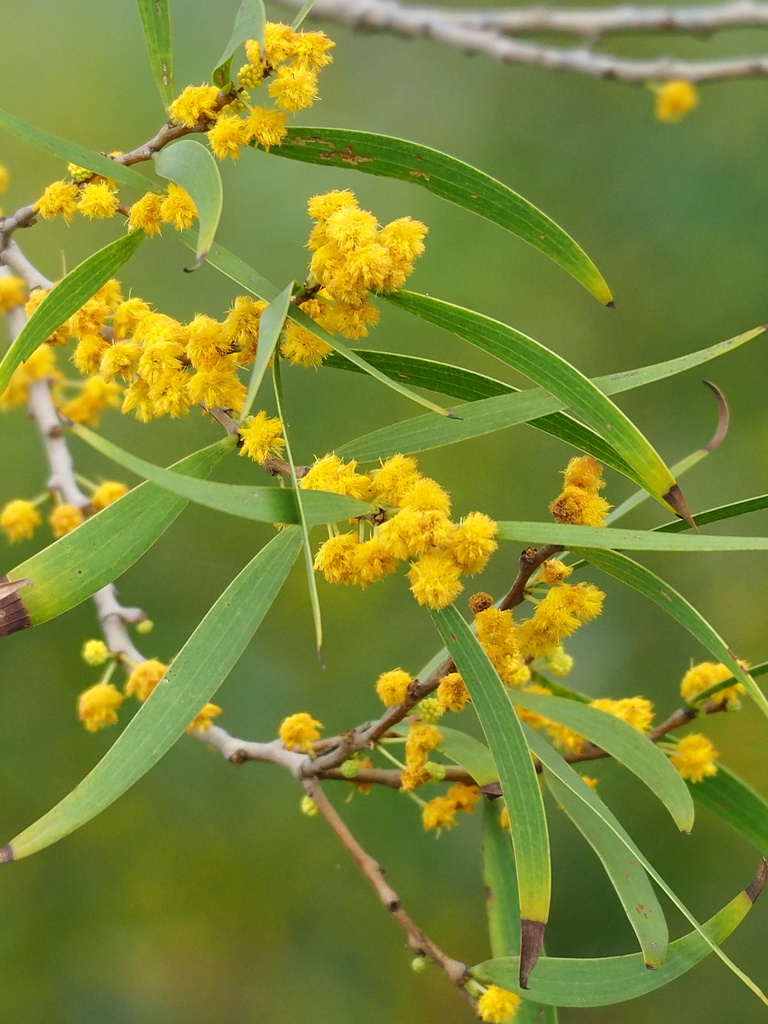
Acacia confusa
- Origin
- Asia
- Part used
- See detailed notebook
- Tradition
- Traditional ethnobotany
Native to the wooded regions of Taiwan and Southeast Asia, Acacia confusa is a tree with dark bark and dense wood, long used in folk pharmacopeia for its bark and roots. Traditional herbalists of the region recognized tonic virtues in it and also used it as timber and a source of natural dye.
Traditional uses
General fortifier for the body
The bark was traditionally used as a decoction for its tonic and fortifying properties, as a general support for vitality.
Traditional wound care
Crushed bark or its decoction was sometimes applied locally to the skin in Taiwanese folk use, for its traditionally recognized astringent properties.
Ancient digestive use
In certain local traditions, a light bark-based preparation was consumed to soothe minor digestive discomfort.
Traditional dye and tannin
The tannin-rich bark was traditionally used to prepare natural dyes and for tanning, a craft use well documented in Taiwan.
What to know before use
The bark and root of Acacia confusa contain tryptamine alkaloids (including DMT), whose extraction and use are strictly regulated or banned in many countries, including France: this plant must never be used for extraction or ingestion for psychoactive purposes. Internal use is strongly discouraged without supervision by a health professional or qualified specialist, due to the lack of safety data and risk of interactions. Strictly avoid in pregnant or breastfeeding women, as well as children, due to a lack of reliable data. Never combine with treatments acting on the serotonergic system (MAOIs, certain antidepressants) due to risks of serious interactions.
The detailed notebook
- Prepared as a paste or decoction
- Traditional duration of use
- Known contraindications
- Related species and their uses
Where to find it
Partner herbalists — available with the detailed notebook.
Sources
Wikipedia