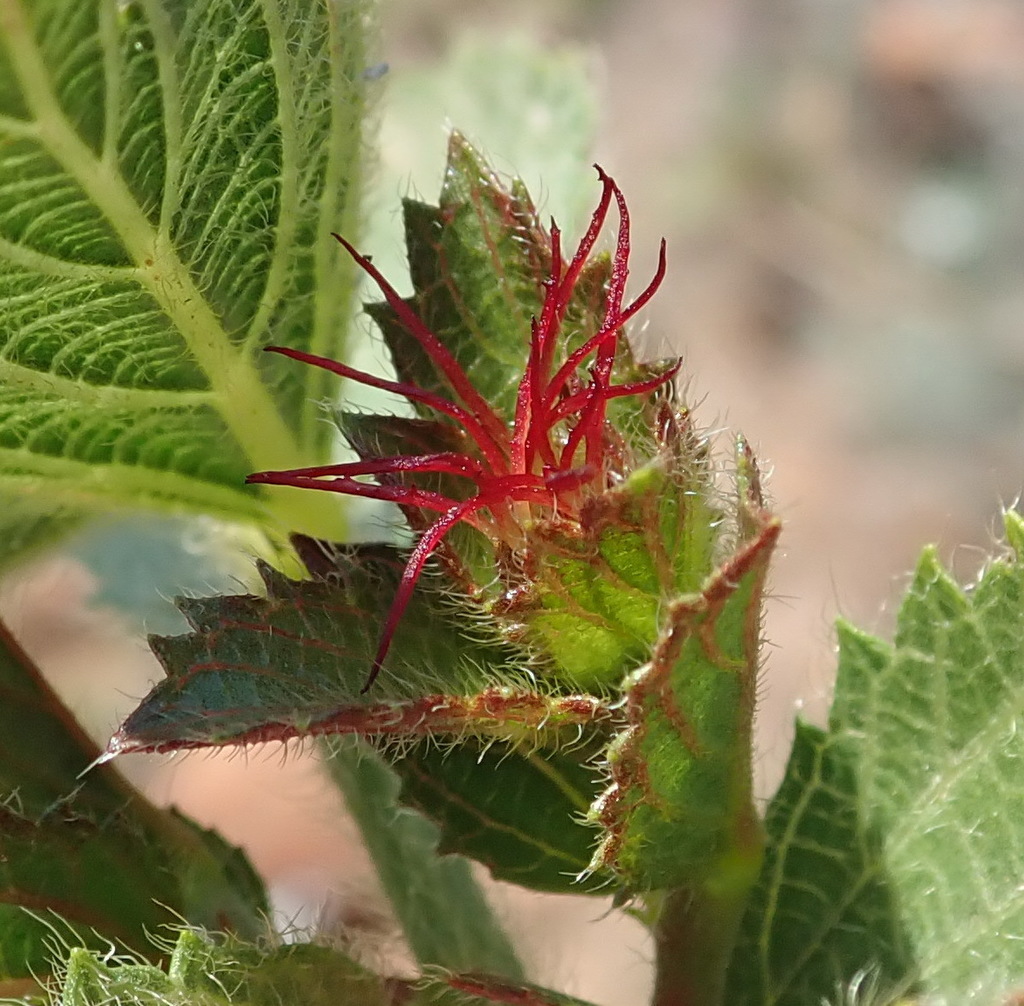
Acalypha villicaulis
- Origin
- Africa
- Part used
- See detailed notebook
- Tradition
- Traditional ethnobotany
A discreet herb of the savannas and edges of tropical Africa, Acalypha villicaulis belongs to the vast Euphorbiaceae family, many members of which have found a place in local traditional pharmacopeia. Used for a long time by certain herbalist communities of East and Southern Africa, it remains a plant little documented outside its native region, whose knowledge is passed down mainly by word of mouth.
Traditional uses
Digestive and intestinal troubles
The root and leaves were traditionally used as a decoction to soothe digestive disorders, particularly episodes of diarrhea, according to uses reported in certain regions of East Africa.
Care for wounds and skin conditions
Crushed leaves or a leaf poultice were applied locally to wounds, injuries, or skin irritation, according to practices passed down in local herbalists' notebooks.
Relief of various pains
Certain traditions mention a use as rubs or decoctions to relieve muscle or joint pain.
Help with women's ailments
In some traditional practices, the plant is cited in connection with care related to the female cycle, a use that nonetheless remains little detailed and should be considered with great caution.
What to know before use
A traditional use with little scientific documentation: caution is required, particularly regarding doses and duration of use. To be avoided in pregnant or breastfeeding women, for lack of sufficient safety data. Do not give to young children without the advice of a health professional. Seek the advice of a health professional or qualified herbalist before any use, particularly if undergoing medication treatment.
The detailed notebook
- Prepared as a paste or decoction
- Traditional duration of use
- Known contraindications
- Related species and their uses
Where to find it
Partner herbalists — available with the detailed notebook.
Sources
PFAF