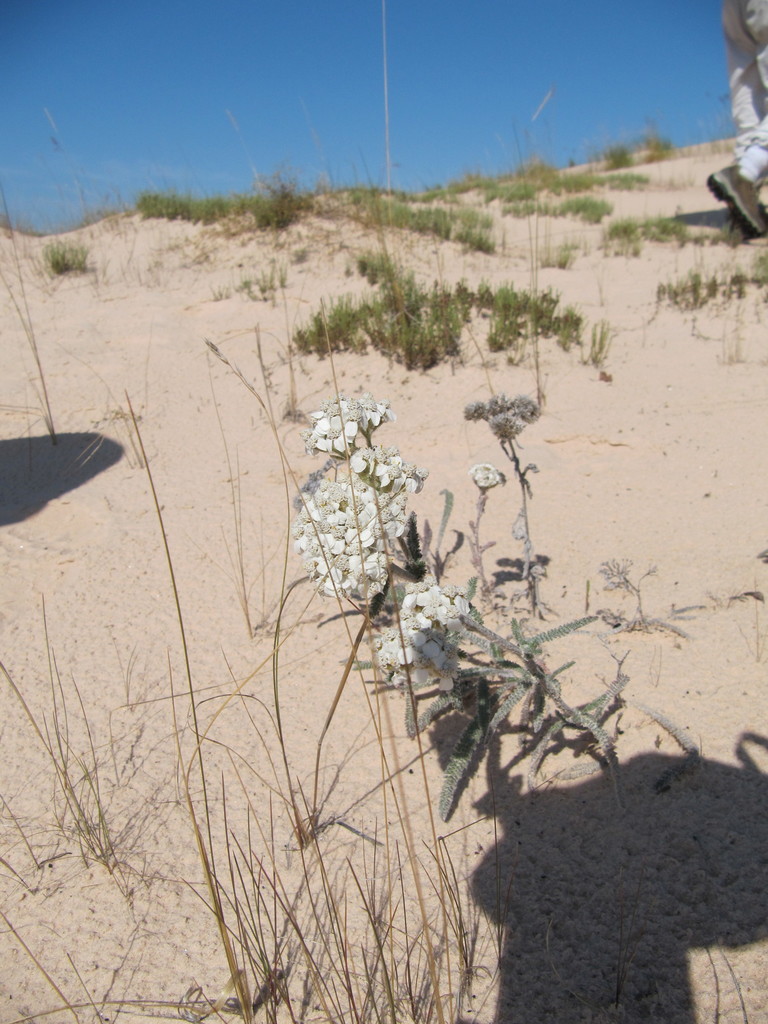
Yarrow
- Origin
- Europe
- Part used
- Leaves
- Tradition
- Traditional ethnobotany
An herb of fields and roadside banks, yarrow has accompanied the European countryside since antiquity, when it was said that Achilles already used it to treat his soldiers' wounds. Its old nickname, "cut herb," reflects a persistent reputation passed down through generations of herbalists. Even today, it remains one of the familiar plants of our region's gardens and footpaths.
Traditional uses
Support for digestion
The leaves were traditionally infused to accompany difficult digestion and a feeling of heaviness after meals.
Support for the menstrual cycle
Yarrow has long been mentioned in folk uses related to the menstrual cycle, particularly for periods considered irregular.
Care for minor wounds
Applied as a compress on the skin, the fresh or dried plant was used to help soothe minor cuts and skin irritations.
A soothing evening infusion
As a tea, it was sometimes combined with other plants to accompany moments of passing nervous tension.
Before you use it
Not advised during pregnancy and breastfeeding due to properties traditionally associated with an effect on the menstrual cycle. Professional advice is recommended before any prolonged use, particularly if taking other medication. May cause skin or allergic reactions in people sensitive to plants in the daisy family. Avoid in young children without professional guidance.
The detailed notebook
- Prepared as a paste or decoction
- Traditional duration of use
- Known contraindications
- Related species and their uses
Where to find it
Partner herbalists — available with the detailed notebook.
Sources
Wikipedia