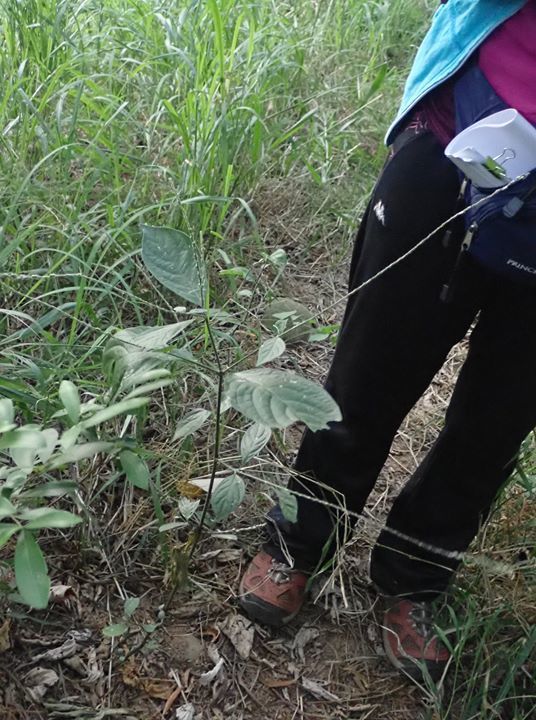
Achyranthes aspera
- Origin
- Asia
- Part used
- See detailed notebook
- Tradition
- Traditional ethnobotany
In the countryside of India and Southeast Asia, Achyranthes aspera grows along pathways, almost unnoticed by the passerby, though it has featured for centuries in the notebooks of Ayurvedic healers and local folk medicine. It is recognized by its spikes bristling with small green flowers that cling to clothing, hence its vernacular name evoking a "goat's tail" in several Indian languages. The ancients attributed many virtues to it, passed down from generation to generation more through use than through scholarly writing.
Traditional uses
Traditional digestive support
The whole plant or root was traditionally used as a decoction to help with mild digestive troubles and bloating.
Application on stings and skin conditions
Crushed leaves were applied locally as a poultice on insect stings, snake bites (as a supplement, never a substitute for medical treatment), and certain skin conditions.
Traditional use related to the female cycle
In certain Indian traditions, the root was used to promote menstruation or assist childbirth, a use with strong hormonal implications that calls for great caution today.
Use against coughing and ENT conditions
The seeds and leaves were part of traditional preparations intended to soothe coughing and throat irritation.
What to know before use
A plant with a traditional reputation as an abortifacient and emmenagogue: contraindicated during pregnancy and not recommended for breastfeeding women. Do not use in children without the advice of a qualified health professional. Internal use should be avoided when taking medication without prior medical advice, due to possibly poorly documented interactions. Never use this plant as a substitute for medical treatment in the event of a snake bite or serious sting: seek emergency medical care.
The detailed notebook
- Prepared as a paste or decoction
- Traditional duration of use
- Known contraindications
- Related species and their uses
Where to find it
Partner herbalists — available with the detailed notebook.
Sources
PFAF, Wikipedia