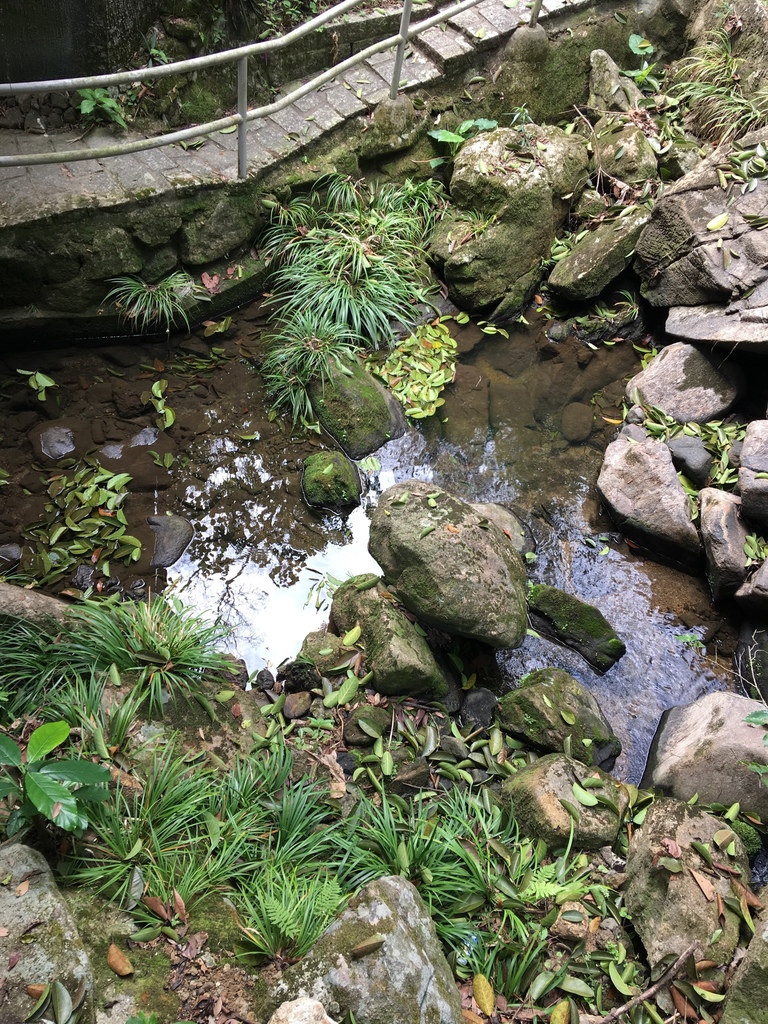
Acorus gramineus
- Origin
- Asia
- Part used
- Root
- Tradition
- Traditional ethnobotany
In the water gardens and pharmacopeia of the Far East, Acorus gramineus, a more modest cousin of true sweet flag, has held a special place in traditional Chinese medicine for centuries under the name Shi Chang Pu. Its aromatic root, held to "awaken the spirit" and clarify thought, long accompanied preparations intended to support memory and mental sharpness. Learned scholars of old sometimes grew a few clumps near their desks, believing as much in its stimulating virtues as in its calming presence.
Traditional uses
Traditional support for mental clarity
In Chinese medicine, the rhizome was used for what was called "opening the orifices" and dispelling mental fog, promoting concentration and sharpness.
Traditional digestive aid
The root was traditionally used to relieve digestive heaviness, bloating, and feelings of fullness after meals.
Traditional use against congestion
Certain preparations based on this root were intended to clear airways congested with mucus, according to ancient Chinese tradition.
Traditional calming of restlessness
It was credited with the ability to calm excessive mental agitation and promote more peaceful sleep, within the framework of so-called "damp-heat" imbalances.
What to know before use
A plant containing potent aromatic compounds (including asarone) whose safety for prolonged use is not clearly established; professional advice is essential before any use. Formally avoid in pregnant or breastfeeding women, as well as young children, due to a lack of safety data. Do not combine with sedatives, anticoagulants, or other medications without medical advice, due to possible interactions. Do not confuse with Acorus calamus (true sweet flag), whose toxicity and regulation differ; the two species must not be used interchangeably.
The detailed notebook
- Prepared as a paste or decoction
- Traditional duration of use
- Known contraindications
- Related species and their uses
Where to find it
Partner herbalists — available with the detailed notebook.
Sources
PFAF, Wikipedia