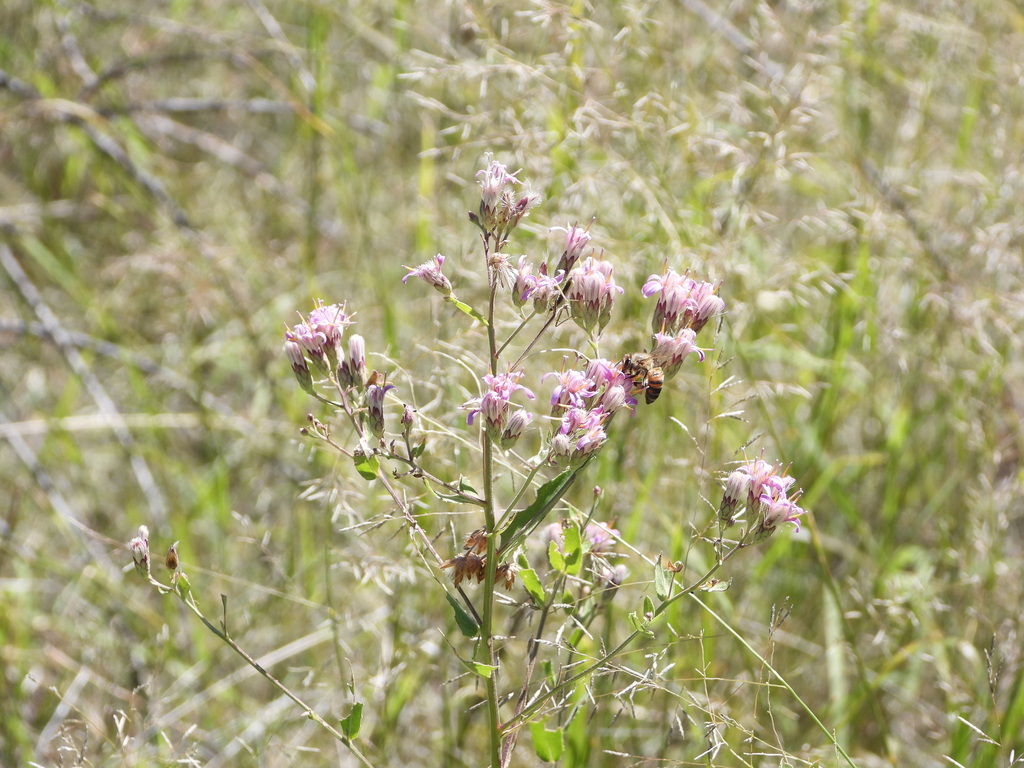
Acourtia wrightii
- Origin
- North America
- Part used
- See detailed notebook
- Tradition
- Traditional ethnobotany
Among the desert and foothill plants of the North American Southwest, Acourtia wrightii, sometimes called "brickellbush" or "desert holly" in English-language texts, holds a quiet place in regional botanical knowledge. According to fragmentary ethnobotanical sources, peoples of the arid lands attributed a few occasional uses to this plant, passed down mainly through oral tradition. For lack of abundant documentation, it is these scraps of plant memory that this entry attempts to convey with caution.
Traditional uses
Traditional support for the airways
In some Southwestern traditions, a preparation made from the aerial parts was reportedly used to ease mild respiratory ailments, in the manner of other bitter desert plants.
Occasional digestive use
Scattered mentions describe a use as an infusion to relieve digestive discomfort, though neither the dosage nor the consistency of this use is clearly established.
A soothing external application
The crushed plant or a compress was reportedly sometimes used externally on the skin, in a traditional logic of local soothing rather than documented treatment.
Before you use it
The traditional uses of Acourtia wrightii are poorly documented scientifically; its chemical composition and potential toxicity remain poorly understood, calling for particular caution. Avoid any internal use in pregnant or breastfeeding women, as well as children, in the absence of reliable data. Do not combine with medication without the advice of a health professional, as interactions have not been studied. It is essential to consult a qualified herbalist or a doctor before any use, internal or prolonged external.
The detailed notebook
- Prepared as a paste or decoction
- Traditional duration of use
- Known contraindications
- Related species and their uses
Where to find it
Partner herbalists — available with the detailed notebook.
Sources
PFAF, Wikipedia