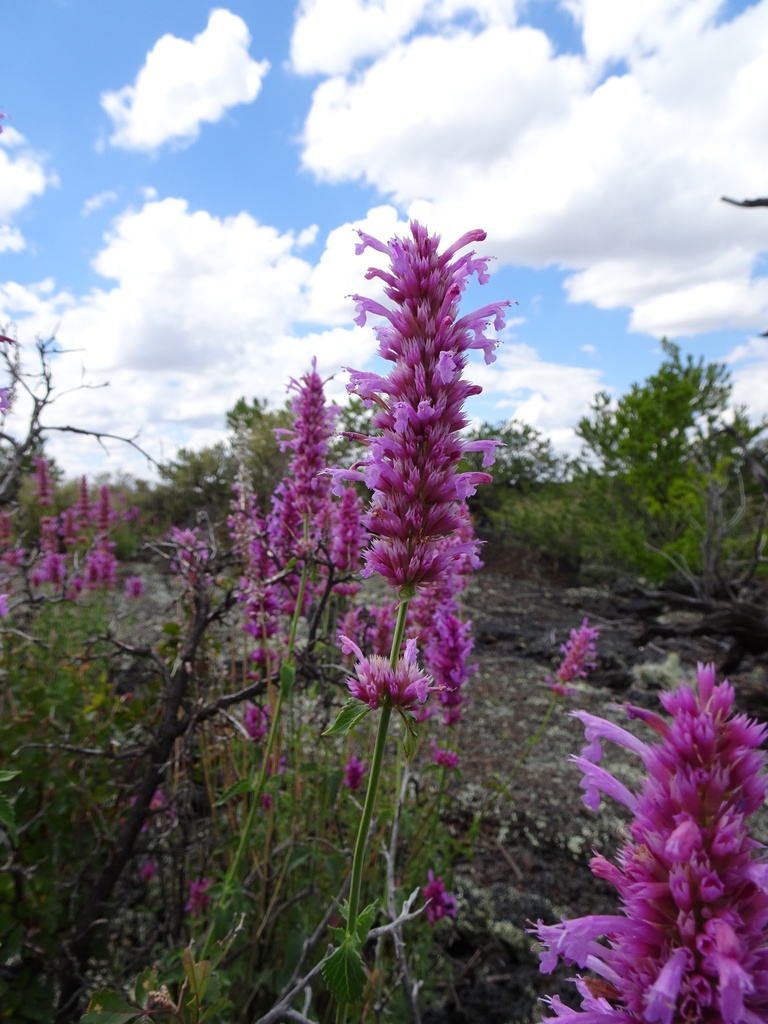
Agastache pallidiflora
- Origin
- North America
- Part used
- Root
- Tradition
- Traditional ethnobotany
Among the tall aromatic herbs of the mountains of the North American West, Agastache pallidiflora holds a quiet place in traditional herbalist notebooks. Less famous than its cousin anise hyssop, it was nonetheless known to certain Indigenous peoples for the properties attributed to its root. Its menthol-anise scent betrays its membership in the great mint family.
Traditional uses
Support for digestion
The root was traditionally used as a mild decoction to help with difficult digestion, in the manner of many aromatic plants of the same family.
Soothing for the airways
Some Indigenous traditions report the use of root-based preparations to relieve coughing and mild respiratory discomfort.
A calming evening tea
Like other agastaches, it was sometimes prepared as a gentle evening tea, for its reputedly calming scent and its anise flavor.
Use as a compress
A root decoction was reportedly applied as a compress to minor skin irritation, according to poorly documented local uses.
Before you use it
The traditional uses of this particular species remain poorly documented in the available literature; caution is warranted. Avoid use in pregnant or breastfeeding women, for lack of sufficient data. Do not exceed occasional, moderate use, and seek the advice of a health professional if in doubt. Avoid in young children in the absence of established safety data.
The detailed notebook
- Prepared as a paste or decoction
- Traditional duration of use
- Known contraindications
- Related species and their uses
Where to find it
Partner herbalists — available with the detailed notebook.
Sources
PFAF, Wikipedia