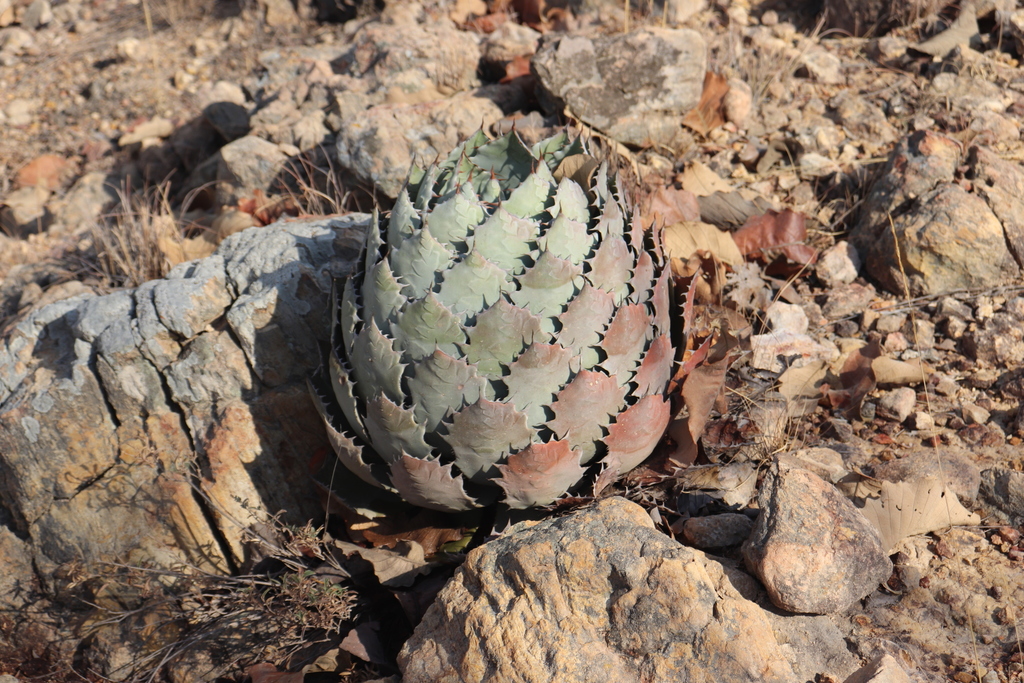
Agave
- Origin
- North America
- Part used
- Leaves, Flowers, Seeds/fruits
- Tradition
- Traditional ethnobotany
Agave has accompanied the peoples of Mexico and the North American Southwest for millennia, revered as much as a food plant as an everyday remedy. From its thick sap to the tough fibers of its leaves, every part found its place in traditional pharmacopoeia and craft. The old herbalists saw it as a generous gift from an arid land, capable of feeding, healing, and mending the body's small injuries.
Traditional uses
Soothing skin irritation
Fresh sap drawn from the leaves was traditionally applied to minor cuts, mild burns, and stings to soothe the skin. It was regarded as a simple, ready remedy, used from generation to generation in the Mexican countryside.
Traditional digestive support
A mild decoction of leaves or sap was sometimes taken to help with difficult digestion, according to folk uses reported in several regions of Central America.
Healing minor wounds
The thick sap of the leaf, applied locally, traditionally served to protect and help close minor superficial wounds.
Fermented sap and traditional drinks
The sap gathered from the heart of the plant (aguamiel) was fermented to produce pulque, a ritual and social drink of pre-Columbian civilizations, also used for traditional tonic purposes.
Before you use it
Fresh, unprocessed sap can cause irritation or contact dermatitis in some people; a patch test is recommended beforehand. Ingesting unprepared parts of the plant (particularly raw leaves) is discouraged because of saponins that irritate the digestive mucous membranes. Use is discouraged for pregnant or breastfeeding women, for lack of sufficient documentation on its safety. Do not use for prolonged internal use without the advice of a health professional, particularly if undergoing medical treatment.
The detailed notebook
- Prepared as a paste or decoction
- Traditional duration of use
- Known contraindications
- Related species and their uses
Where to find it
Partner herbalists — available with the detailed notebook.
Sources
PFAF, Wikipedia