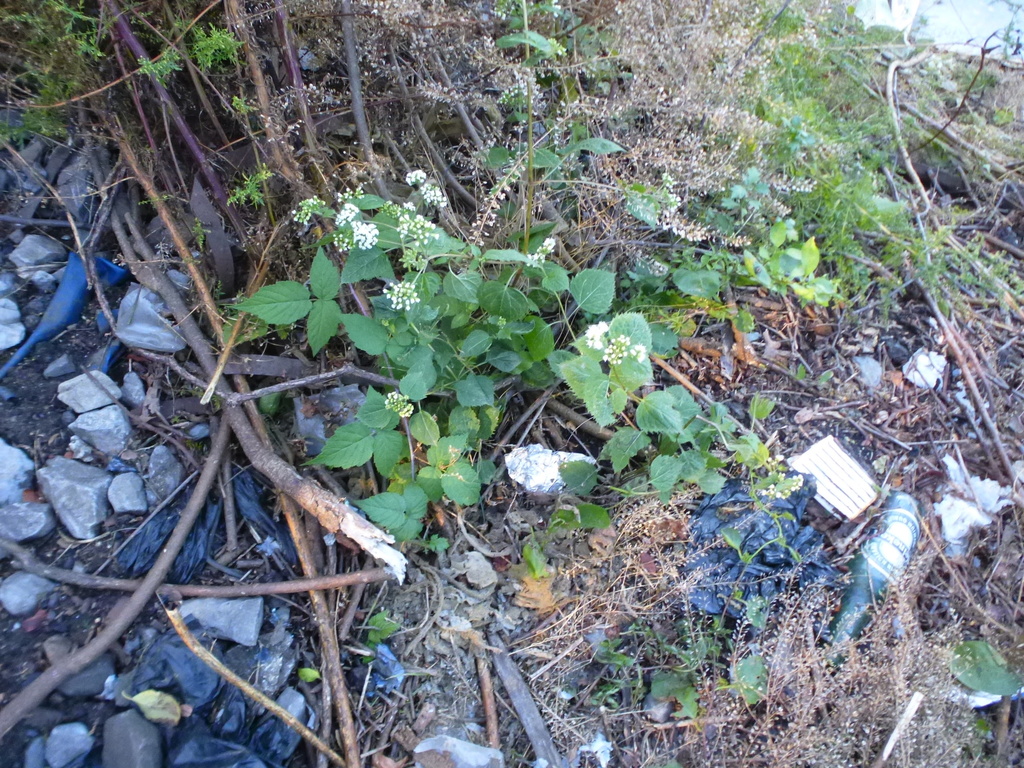
Ageratina altissima
- Origin
- North America
- Part used
- See detailed notebook
- Tradition
- Traditional ethnobotany
Ageratina altissima, or "white snakeroot," grows in the shaded woodlands of eastern North America. Settlers long saw it as a mere edge-of-field weed, until they discovered, to their cost, its danger to livestock. Today it holds a particular place in the history of American folk medicine, more as a warning than as a remedy.
Traditional uses
Cause of "milk sickness"
This plant is best known in North American history for poisoning the milk of cows grazing in the woods, causing settlers to develop the disease known as "milk sickness."
Occasional external application
Some Native American tribes reportedly used root-based preparations externally, but these practices are poorly documented and cannot be recommended.
A plant toxic to livestock
19th-century farmers learned to recognize and eliminate this plant from pastures because of its proven toxicity to animals and, by transmission, to humans through milk or meat.
An indicator plant of the woodlands
Traditionally, its presence served as a marker for ranchers and gatherers to identify wooded areas risky for livestock in late summer.
Before you use it
A toxic plant containing tremetol, historically responsible for serious poisoning ("milk sickness") in humans and animals. Must never be ingested in any form, nor consumed via the milk or meat of animals that have grazed nearby. No internal use can be recommended; any use, even external, should be discussed with a qualified health professional. Strictly discouraged for pregnant or breastfeeding women, children, and anyone without certain botanical knowledge to identify this plant.
The detailed notebook
- Prepared as a paste or decoction
- Traditional duration of use
- Known contraindications
- Related species and their uses
Where to find it
Partner herbalists — available with the detailed notebook.
Sources
Wikipedia