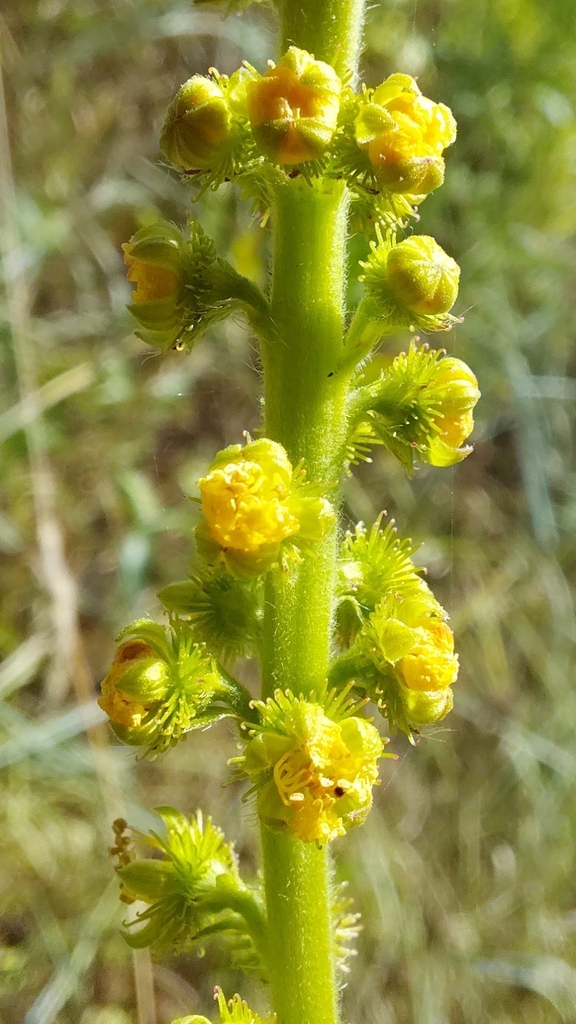
Agrimony
- Origin
- Europe
- Part used
- See detailed notebook
- Tradition
- Traditional ethnobotany
Unassuming along paths and hedgerows, agrimony has carried its yellow spikes since antiquity in the notebooks of European herbalists. It was once called "Saint William's herb" or "church steeples," and it readily featured in remedies meant to soothe the throat and stomach.
Traditional uses
Support for digestion
Traditionally, agrimony infusion was drunk after meals to accompany difficult digestion and soothe mild intestinal discomfort.
A gargle for the throat
As a gargle, agrimony decoction was long used to soothe sore throats and freshen the breath.
Care for minor skin irritations
Applied as a compress, the concentrated infusion was traditionally used to clean and soothe minor wounds or superficial skin irritation.
An astringent plant of old
Valued for its astringent properties, agrimony was among the plants used to tighten and tone tissue in European folk tradition.
Before you use it
This entry is presented for historical and informational purposes; it does not replace medical advice. Prolonged or high-dose use is not recommended without a healthcare professional's guidance. As a precaution, avoid in pregnant or breastfeeding women and young children, given insufficient data. If taking medication, consult a pharmacist or doctor before use.
The detailed notebook
- Prepared as a paste or decoction
- Traditional duration of use
- Known contraindications
- Related species and their uses
Where to find it
Partner herbalists — available with the detailed notebook.
Sources
PFAF