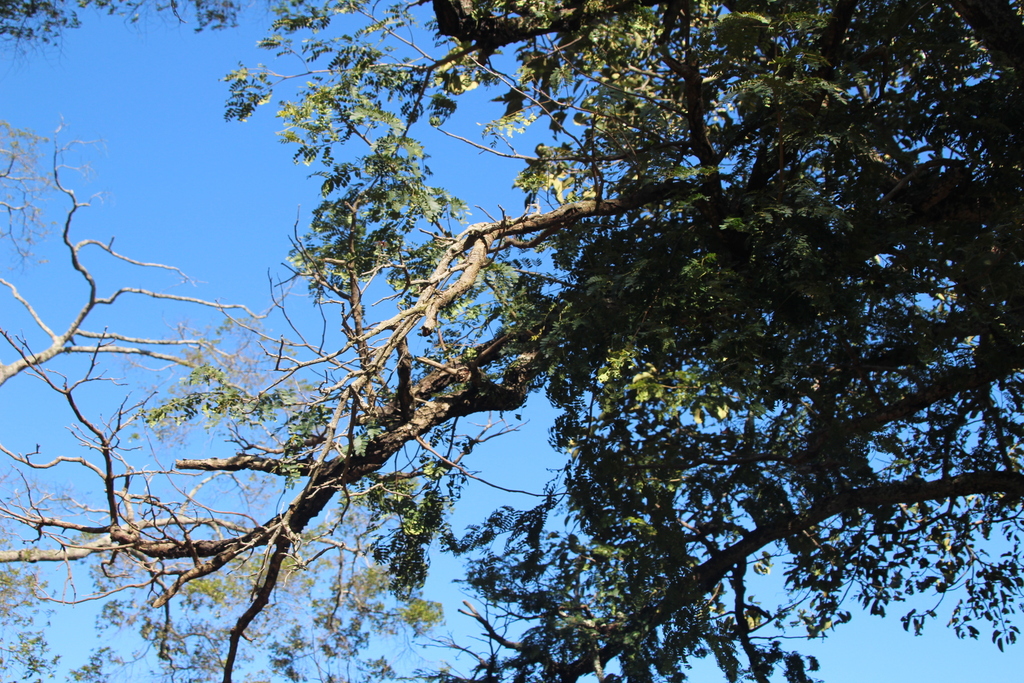
Albizia coriaria
- Origin
- Africa
- Part used
- Bark
- Tradition
- Traditional ethnobotany
A large tree of the savannas and open woodlands of East and Central Africa, Albizia coriaria has been revered for generations by traditional practitioners for its bitter, tannic bark. In the notebooks of Bantu healers as well as Ugandan and Kenyan herbalists, this tree holds a prized place among respiratory and fever-reducing remedies passed down from generation to generation.
Traditional uses
Relief of cough and colds
The decocted bark is traditionally used in East Africa to relieve coughing, bronchial ailments, and persistent colds.
A traditional fever-reducing use
Bark decoctions are reported as a traditional means of reducing fever and easing diffuse bodily pain.
Support for digestive troubles
In local traditional pharmacopeia, the bark is also used to calm stomach aches and certain intestinal troubles.
Traditional wound care
Certain communities apply bark-based preparations to cleanse and promote the healing of superficial wounds.
What to know before use
Bark rich in tannins and active compounds whose safety profile is not fully established by modern science: the advice of a health professional or an experienced traditional practitioner is recommended before any use. Use not recommended for pregnant or breastfeeding women, for lack of sufficient safety data. Do not give to young children without the supervision of a qualified practitioner. Avoid prolonged or high-dose intake, as the bark is not intended for long-term daily use.
The detailed notebook
- Prepared as a paste or decoction
- Traditional duration of use
- Known contraindications
- Related species and their uses
Where to find it
Partner herbalists — available with the detailed notebook.
Sources
PFAF, Wikipedia