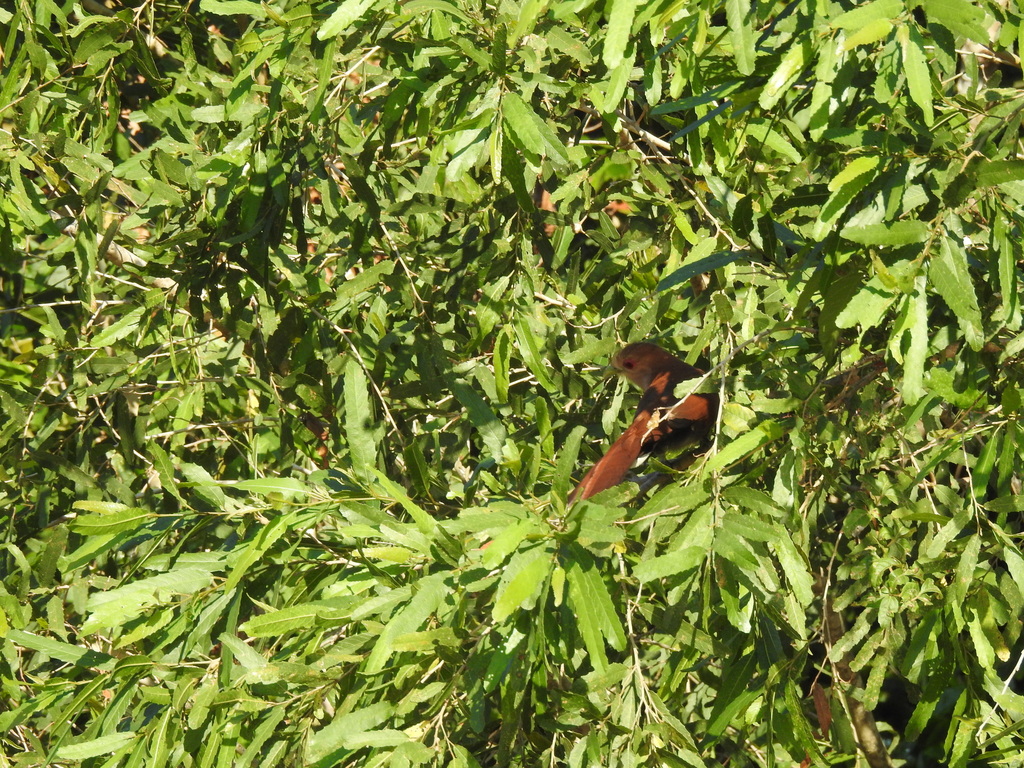
Alchornea castaneifolia
- Origin
- South America
- Part used
- Leaves, Bark
- Tradition
- Traditional ethnobotany
Beneath the humid canopy of the Amazon, Alchornea castaneifolia, known locally as “Iporuro,” has long been regarded by riverine peoples as a tree of strength and vitality. Its bark and leaves, prepared as a decoction, hold a long-standing place in the popular pharmacopoeias of the Amazon basin.
Traditional uses
Traditional joint support
Iporuro bark is traditionally used as a decoction to accompany joint and muscle pain, particularly among elderly members of Amazonian communities.
A general fortifying tonic
This plant is renowned in popular tradition for its tonic virtues, used to support everyday energy and vigor.
Traditional use as an aphrodisiac
Iporuro is among the Amazonian plants traditionally associated with supporting male and female sexual vitality.
Traditional digestive support
The leaves and bark have also been used as a decoction to soothe certain digestive discomforts, according to local popular usages.
What to know before use
Not recommended during pregnancy and breastfeeding, in the absence of sufficient safety data. Do not exceed the traditionally reported doses, as the bark may contain active compounds at high concentration. Seek a healthcare professional's advice if undergoing medication treatment, as interactions cannot be ruled out. Avoid prolonged use without supervision, as scientific data on long-term safety remain limited.
The detailed notebook
- Prepared as a paste or decoction
- Traditional duration of use
- Known contraindications
- Related species and their uses
Where to find it
Partner herbalists — available with the detailed notebook.
Sources
PFAF, Wikipedia