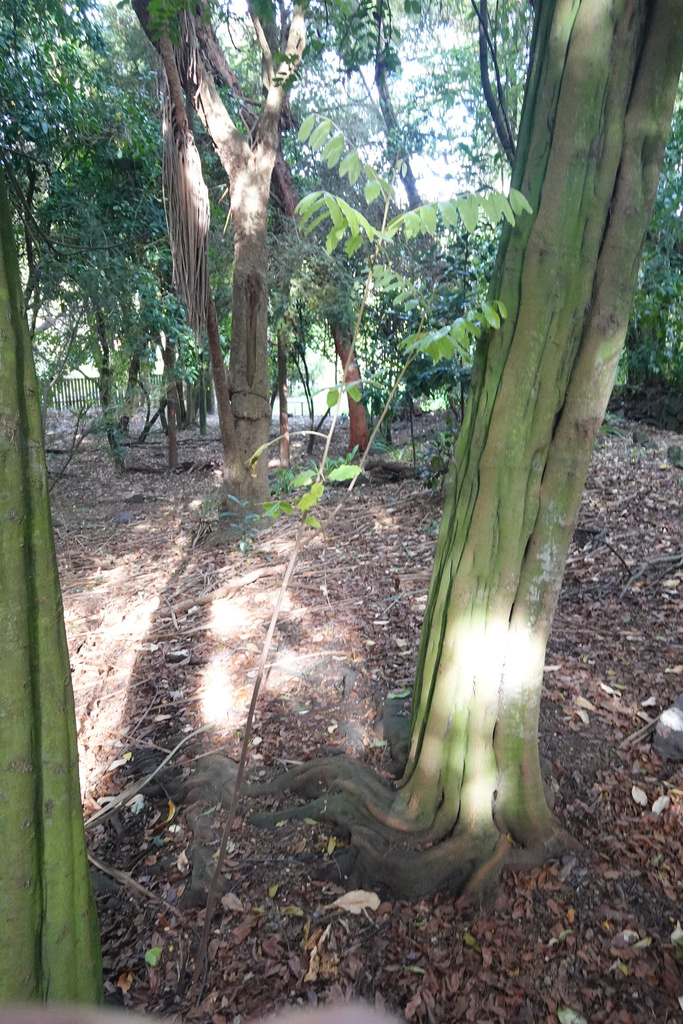
Alectryon excelsus
- Origin
- Oceania
- Part used
- Leaves
- Tradition
- Traditional ethnobotany
Known by the Maori name titoki, this slender tree of the New Zealand forests was held in esteem by the tohunga, keepers of traditional knowledge. Its glossy leaves and the oil drawn from its seeds fed a whole part of Maori pharmacopoeia, passed down orally from generation to generation.
Traditional uses
Easing muscular pain
Titoki leaves were traditionally prepared as a poultice or decoction to be applied to painful areas, notably after exertion or injury.
Care for skin irritations
Externally, the infused leaves, or those made into a compress, served to soothe irritated or slightly damaged skin, according to uses reported by Maori herbalists.
Traditional steam baths
The leaves were sometimes used in steam preparations, a traditional practice meant to relieve general bodily tension.
Care for the hair and scalp
The oil extracted from titoki seeds, rich and fragrant, was traditionally used to scent and care for the hair, a use well documented in Maori culture.
Before you use it
Reserved for traditional external use; no reliable data supports recommending internal consumption of the leaves. Seed oil and certain preparations should never be used on broken skin without a professional's advice. Use is discouraged during pregnancy or breastfeeding, for lack of sufficient data. Seek the advice of a health professional before any use, particularly in case of sensitive skin or ongoing treatment.
The detailed notebook
- Prepared as a paste or decoction
- Traditional duration of use
- Known contraindications
- Related species and their uses
Where to find it
Partner herbalists — available with the detailed notebook.
Sources
PFAF, Wikipedia