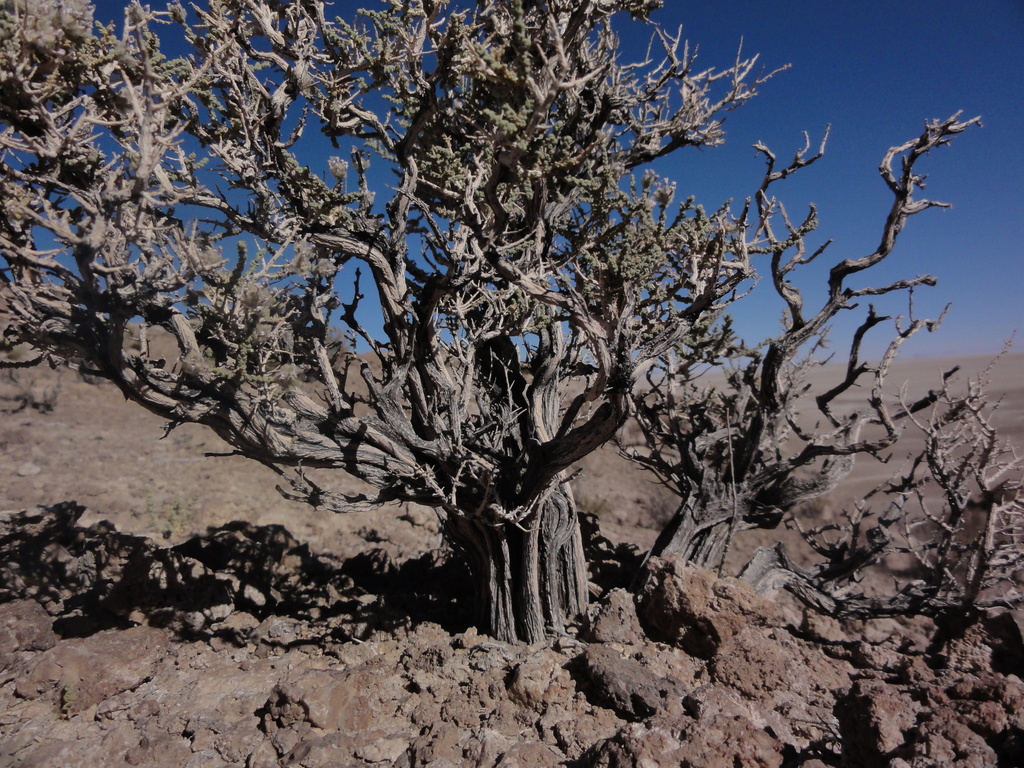
Aloysia deserticola
- Origin
- South America
- Part used
- Leaves
- Tradition
- Traditional ethnobotany
In the arid expanses of southern South America, traditional herbalists have long known this unassuming shrub with aromatic leaves, a little-known cousin of lemon verbena. Gathered over generations of Andean and Patagonian popular knowledge, Aloysia deserticola was infused to accompany digestion and support circulation after meals.
Traditional uses
Support for digestion after meals
The leaves were traditionally infused to soothe digestive heaviness and ease digestion, in the manner of other regional Aloysia species.
A tea for gentle circulation
In certain rural families, a leaf infusion was drunk regularly with the aim of promoting harmonious blood circulation.
A remedy against bloating
Popular use reports its consumption as a tea after copious meals, for its effect traditionally associated with intestinal comfort.
An everyday tonic drink
Regarded as a mild tonic plant, it sometimes accompanied long working days in the arid regions where it grows naturally.
What to know before use
Scientific data on this specific species remain limited; caution is advised, and use should not exceed occasional consumption. As with other plants of the Verbenaceae family, medical consultation is recommended in cases of pregnancy, breastfeeding, or ongoing medication treatment. Avoid prolonged self-medication without the advice of a healthcare professional or a qualified herbalist, due to a lack of thorough studies on this plant. Do not give to young children without prior medical advice.
The detailed notebook
- Prepared as a paste or decoction
- Traditional duration of use
- Known contraindications
- Related species and their uses
Where to find it
Partner herbalists — available with the detailed notebook.
Sources
PFAF, Wikipedia