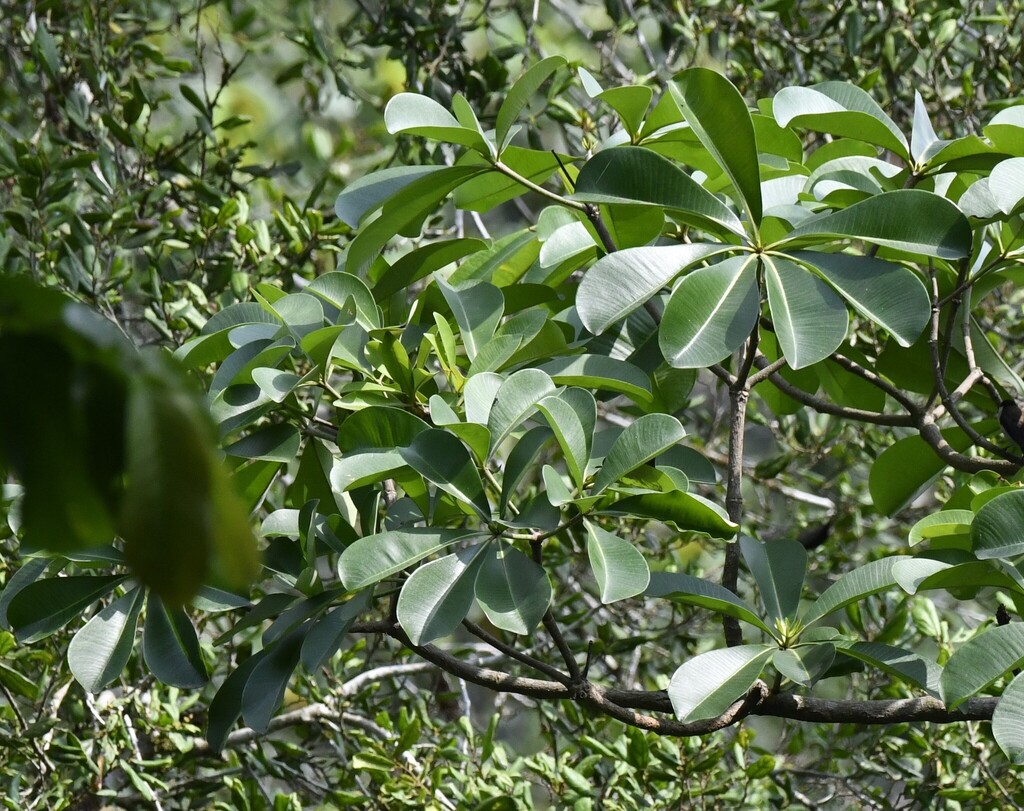
Alstonia boonei
- Origin
- Africa
- Part used
- See detailed notebook
- Tradition
- Traditional ethnobotany
A large tree of the forests of West and Central Africa, Alstonia boonei has been revered for generations as a sacred and medicinal tree in many traditions, from Nigeria to Ghana and Cameroon. Its bitter bark and white latex hold a prized place in traditional African pharmacopeia, where the tree is sometimes nicknamed the "fever tree" or associated with protective rites.
Traditional uses
A traditional decoction against fevers
The bitter bark of Alstonia boonei is traditionally prepared as a decoction in several regions of West Africa to help with feverish states, particularly in a context of endemic malaria.
A use against joint pain
The bark and sometimes the leaves are used in oral preparations or rubs in traditional medicine to soothe muscle and joint pain.
A traditional digestive bitter
As a bitter plant, the bark is traditionally used to stimulate the appetite and support digestion, in the manner of the great bitter European gentians.
A traditional use related to fertility
In certain West African traditions, the bark is associated with preparations intended to help with fertility or regulate the female cycle, a reported but scientifically little-documented use.
What to know before use
A plant whose latex and bark contain active alkaloids: use reserved for the supervision of a health professional or experienced herbalist. Not recommended for pregnant or breastfeeding women due to possible effects on the uterus. Do not use in children without medical advice, nor if undergoing medication treatment (risk of interactions). The fresh latex can be irritating to the skin and mucous membranes; avoid any contact with the eyes.
The detailed notebook
- Prepared as a paste or decoction
- Traditional duration of use
- Known contraindications
- Related species and their uses
Where to find it
Partner herbalists — available with the detailed notebook.
Sources
PFAF