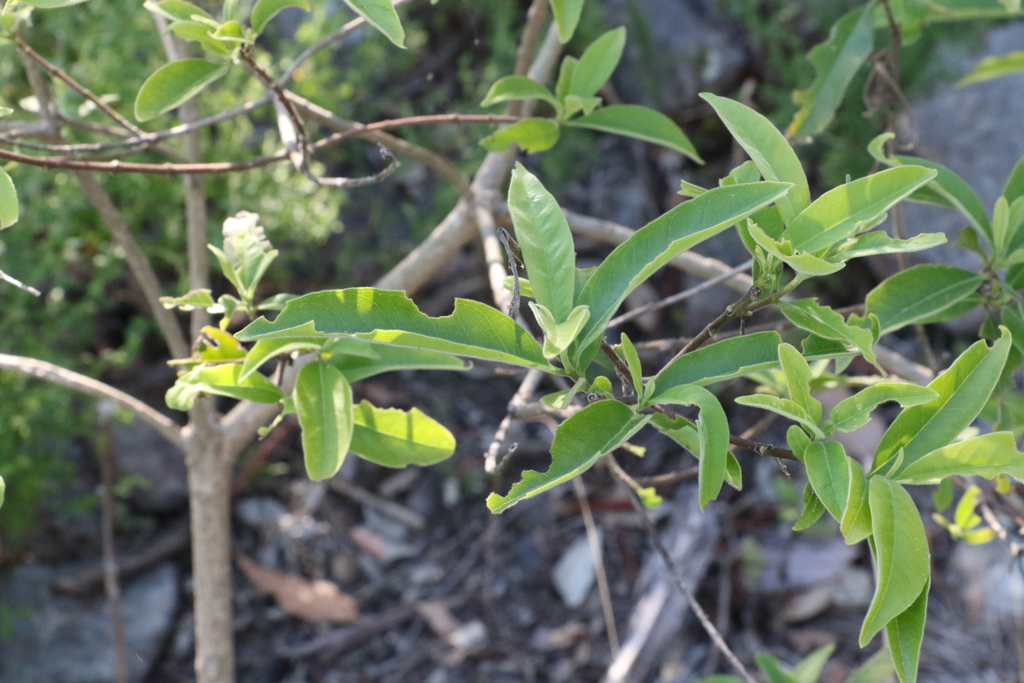
Alstonia constricta
- Origin
- Oceania
- Part used
- Bark
- Tradition
- Traditional ethnobotany
Native to the dry forests and plains of eastern Australia, Alstonia constricta — sometimes called "quinine bark" by settlers for its bitterness — was used by Aboriginal peoples and then by nineteenth-century Australian herbalists as a bitter tonic and febrifuge. Its gray, fissured bark, rich in alkaloids, holds a quiet but recognized place in the continent's traditional pharmacopoeia.
Traditional uses
A bitter digestive tonic
The bark was traditionally used in small amounts to stimulate the appetite and support sluggish digestion, in the manner of the great bitter plants.
Support during feverish states
Locally nicknamed "quinine bark," it was used as a substitute for cinchona to accompany bouts of fever, notably in colonial Australia.
Accompanying respiratory ailments
The bark decoction traditionally served to support the airways during catarrhal states or persistent coughing.
A fortifier during convalescence
Used in small, repeated doses, the bark was reputed to restore strength after an illness or general weakening.
Before you use it
A plant with active alkaloids (notably alstonine and reserpine-like compounds): never exceed the very low traditional doses, and seek the advice of a health professional before any use. Not advised during pregnancy and breastfeeding owing to a lack of safety data and the presence of potent alkaloids. Not suitable for children. Risk of interaction with cardiovascular or psychotropic treatments; to be avoided during ongoing medical treatment without prior medical advice.
The detailed notebook
- Prepared as a paste or decoction
- Traditional duration of use
- Known contraindications
- Related species and their uses
Where to find it
Partner herbalists — available with the detailed notebook.
Sources
PFAF, Wikipedia