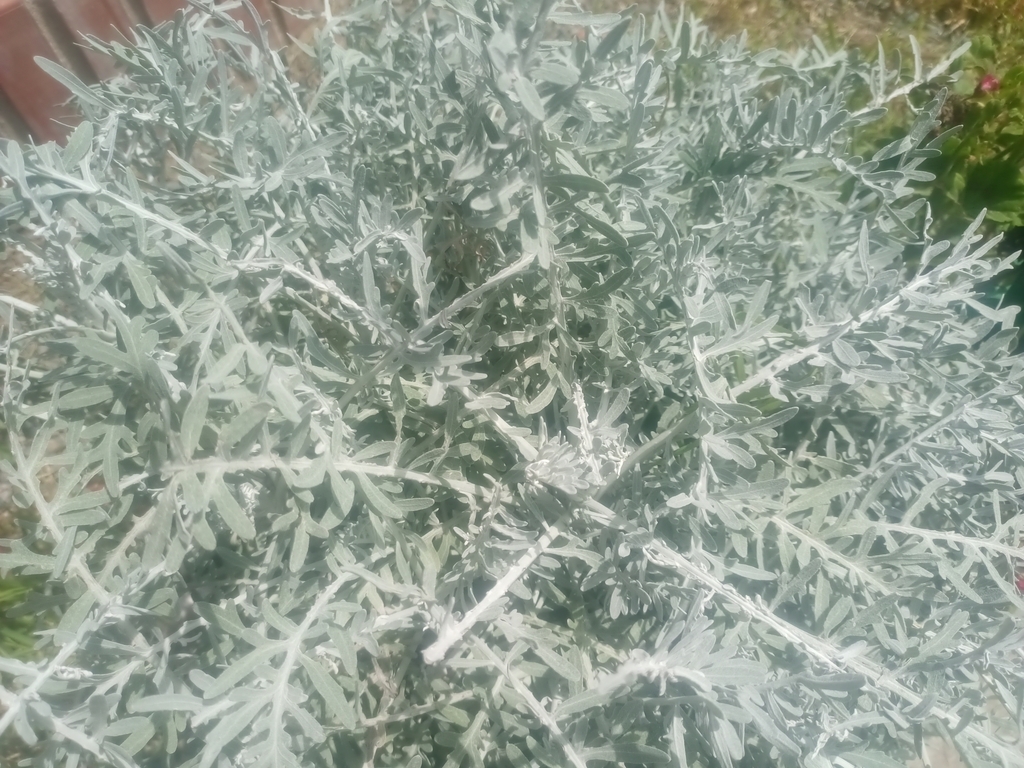
Ambrosia arborescens
- Origin
- South America
- Part used
- See detailed notebook
- Tradition
- Traditional ethnobotany
On the Andean highlands, Ambrosia arborescens is known as “marco” or “altamisa.” An aromatic shrub with silvery leaves, it has held a place for generations in the popular pharmacopoeias of Ecuador, Peru, and Bolivia, where people relied on it to soothe bodily ailments and ward off certain household nuisances.
Traditional uses
Relief of digestive troubles
The leaves were traditionally infused to relieve stomach pain, bloating, and mild digestive troubles in Andean communities.
External use against joint pain
As a poultice or rub, crushed or warmed leaves were applied to painful joints and areas affected by rheumatism.
A traditional repellent against parasites
Marco has long been used in rural households as a repellent against certain parasites, both for domestic use and in the care of livestock.
Traditional care for minor wounds
Crushed leaves, or as a decoction, were sometimes used as a wash or compress to clean superficial wounds, according to local popular usages.
What to know before use
A plant reputed to be toxic at high doses or with prolonged use: professional advice is essential before any internal use. Strictly not recommended during pregnancy and breastfeeding, due to a traditional abortifacient use reported in certain regions. Keep out of reach of children; do not use in young children. Avoid any prolonged internal use without supervision, as interactions and skin sensitization (Asteraceae family) are possible.
The detailed notebook
- Prepared as a paste or decoction
- Traditional duration of use
- Known contraindications
- Related species and their uses
Where to find it
Partner herbalists — available with the detailed notebook.
Sources
PFAF