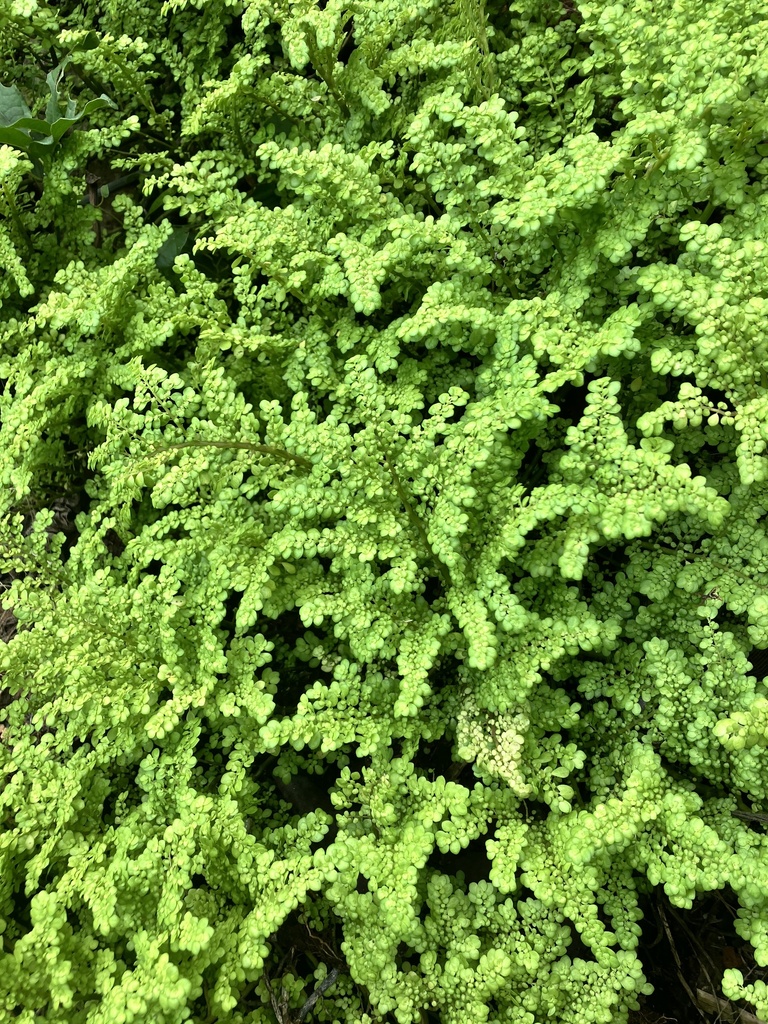
Ambrosia hispida
- Origin
- North America
- Part used
- Leaves, Stem
- Tradition
- Traditional ethnobotany
On the sandy shores of the Caribbean and Florida, Ambrosia hispida, sometimes called "man's weed" or "coastal ragweed," spreads in quiet mats that withstand the salt wind. Traditional healers of the Antilles and Central America credited it with soothing properties for digestive complaints and bodily pain, passed down from generation to generation in coastal folk knowledge.
Traditional uses
Easing stomach troubles
The crushed or infused leaf was traditionally used to calm stomachaches, bloating, and difficult digestion.
Relief for muscle pain
As a poultice or rub, the plant was used to relieve aches, joint pain, and certain superficial inflammation.
Traditional fever remedy
In some Caribbean folk pharmacopoeias, a mild decoction was used to help with feverish states.
Care for minor skin irritation
The crushed leaves were sometimes applied locally to soothe insect bites and superficial skin irritation.
Before you use it
This plant belongs to the ragweed family, known for its strongly allergenic pollen; people prone to allergies (rhinitis, asthma) should be especially cautious. Contact or ingestion can cause skin or digestive reactions in sensitive individuals; professional advice is recommended before any internal use. Use is discouraged for pregnant or breastfeeding women, as well as young children, for lack of sufficient data. Do not use if undergoing medical treatment without the advice of a health professional, as interactions are not reliably documented.
The detailed notebook
- Prepared as a paste or decoction
- Traditional duration of use
- Known contraindications
- Related species and their uses
Where to find it
Partner herbalists — available with the detailed notebook.
Sources
PFAF, Wikipedia