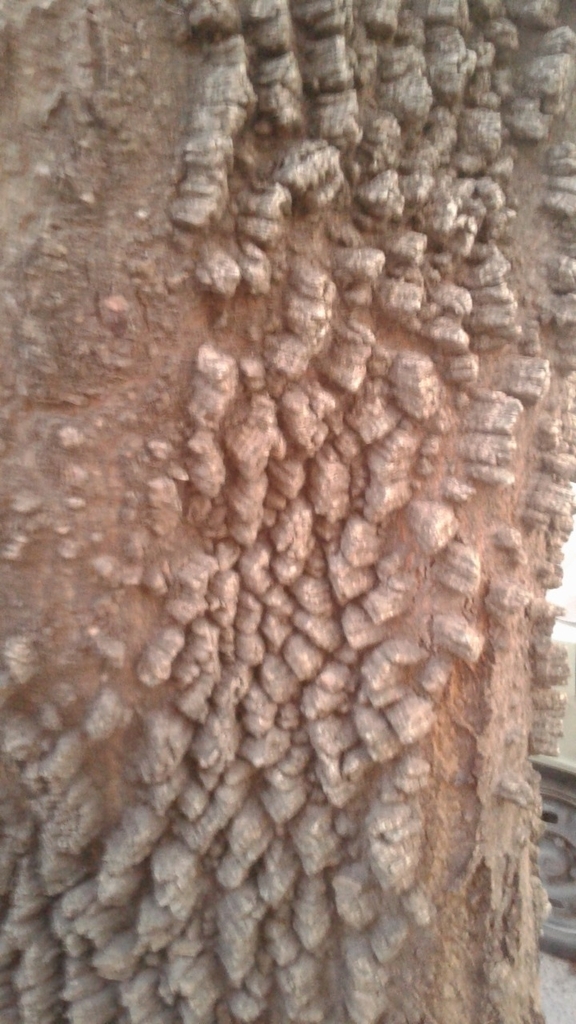
Anadenanthera colubrina
- Origin
- South America
- Part used
- See detailed notebook
- Tradition
- Traditional ethnobotany
A majestic tree of South America's savannas and dry forests, Anadenanthera colubrina, known locally as “vilca” or “cebil,” holds a long-standing place in the ritual traditions of Andean and Chaco peoples. Its seeds, prepared as a snuff powder, were used for centuries in shamanic ceremonies intended to make contact with the spirit world. This entry presents this use strictly for historical and ethnobotanical purposes.
Traditional uses
Ceremonial snuff powder
The seeds, roasted and ground into powder, sometimes mixed with alkaline ashes, were traditionally inhaled during shamanic ceremonies to induce altered states of consciousness.
An ancestral divinatory use
Among certain peoples of the Chaco and the Andes, this practice accompanied rites of passage, symbolic healing, or communication with ancestors.
Bark and resin for tanning
The bark, rich in tannins, was traditionally used for tanning hides and for dyeing, a more domestic use unrelated to the psychoactive rites.
A sacred tree of collective ceremonies
The tree itself was often regarded as sacred, its wood and pods appearing in ritual objects found at Andean archaeological sites.
What to know before use
The seeds contain powerful psychoactive compounds (including bufotenine) whose traditional use was strictly supervised by experienced shamans; any use outside this context is discouraged. This plant must never be consumed or inhaled without supervision, due to neurological and cardiovascular risks and serious interactions with numerous medications. The legal status of this plant and its preparations varies by country; check the regulations in force before any handling. Strictly not recommended for pregnant or breastfeeding women, for children, or for anyone with psychiatric or cardiac conditions.
The detailed notebook
- Prepared as a paste or decoction
- Traditional duration of use
- Known contraindications
- Related species and their uses
Where to find it
Partner herbalists — available with the detailed notebook.
Sources
Wikipedia