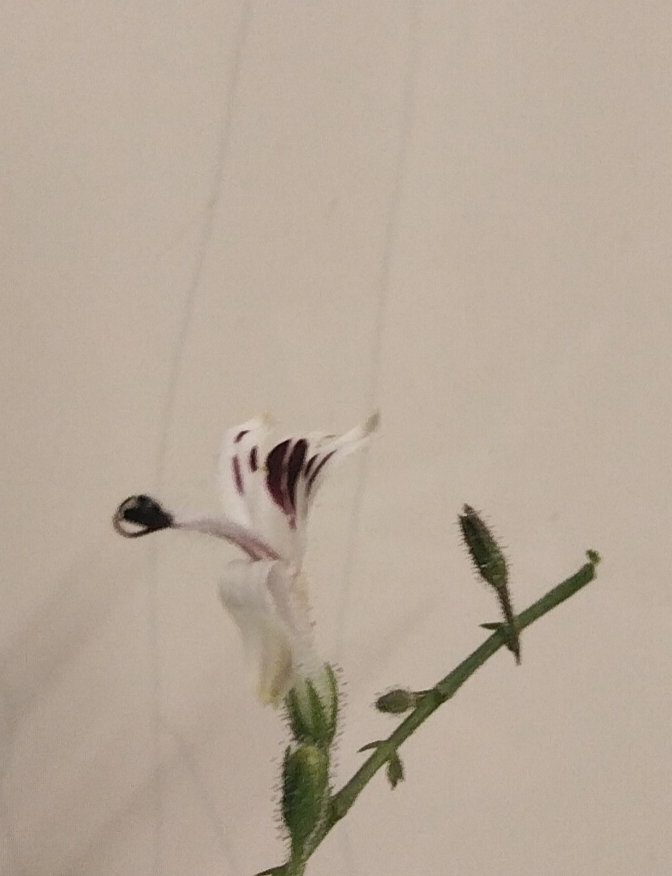
Andrographis paniculata
- Origin
- Asia
- Part used
- See detailed notebook
- Tradition
- Traditional ethnobotany
Native to the warm lands of the Indian subcontinent and Southeast Asia, Andrographis paniculata has, over the centuries, earned the nickname "king of bitters" in Ayurvedic tradition and traditional Chinese medicine. This unassuming herb, with its discreet flowers, held a place of honor in folk pharmacopeia dealing with seasonal fevers and digestive troubles.
Traditional uses
Traditional support during colds
In Asian traditions, the whole plant was used as a decoction to help with seasonal feverish states and passing colds.
A traditional bitter for digestion
Its pronounced bitterness earned it an ancient use as a bitter tonic, said to stimulate appetite and aid digestion after heavy meals.
Traditional liver support
Ayurvedic medicine classified it among the so-called "depurative" plants, traditionally associated with liver well-being.
Traditional use for the respiratory tract
It was also part of certain folk preparations intended to help with irritated throats and passing coughs.
What to know before use
Not recommended during pregnancy and breastfeeding, due to a traditional use reported as emmenagogue and potentially abortifacient. May interact with certain treatments, notably anticoagulants, antihypertensives, and immunosuppressants: prior medical advice is essential. Its prolonged or high-dose use is not recommended without the supervision of a health professional, due to its strong bitterness and long-recognized potency. Not recommended for children in the absence of sufficient safety data.
The detailed notebook
- Prepared as a paste or decoction
- Traditional duration of use
- Known contraindications
- Related species and their uses
Where to find it
Partner herbalists — available with the detailed notebook.
Sources
PFAF