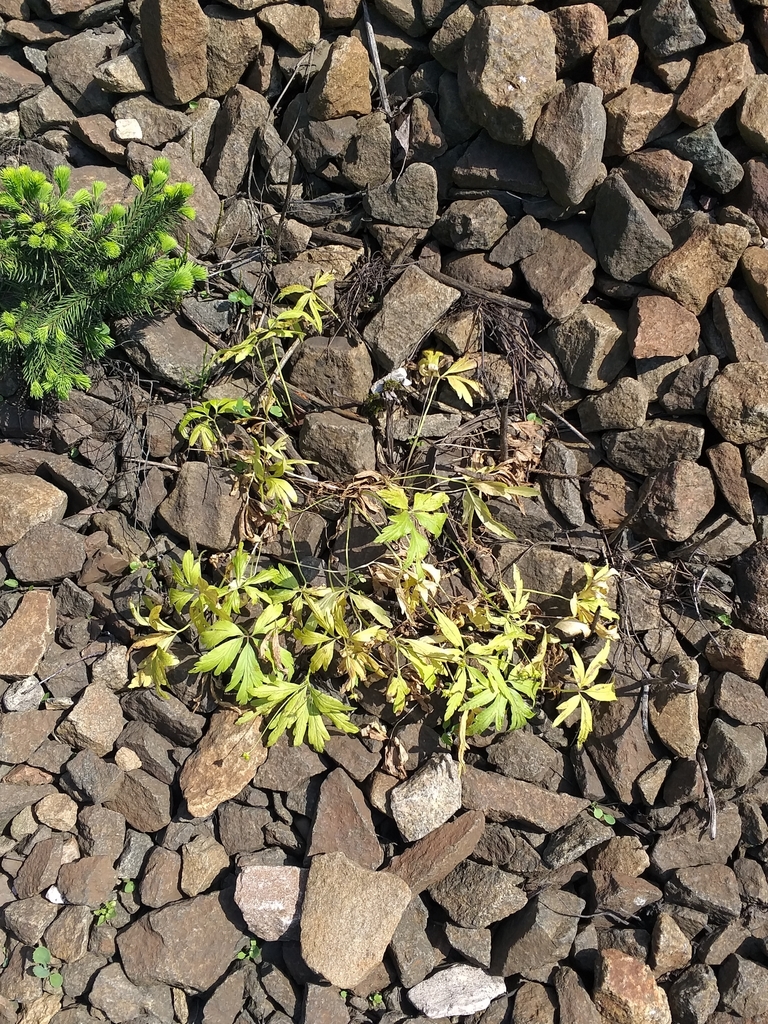
Buttercup Anemone
- Origin
- Europe
- Part used
- See detailed notebook
- Tradition
- Traditional ethnobotany
Beneath the still-bare canopy of the European spring, the buttercup anemone carpets the woodland floor with its small yellow stars. A close cousin of the wood anemone, it belongs to the buttercup family, which old herbalists regarded with as much wariness as attentive interest. Its traditional use remains marginal and cautious, with most folk knowledge focused chiefly on its toxicity when fresh.
Traditional uses
Traditional irritant external use
The fresh plant, due to its acrid sap, was sometimes mentioned in old herbalist notebooks as a local skin counter-irritant, in the manner of other buttercups, to create redness over a painful area.
A plant rarely used internally
Unlike other anemones, the buttercup anemone never held a significant place in internal folk medicine, with oral tradition mostly recalling its toxicity rather than its virtues.
Indicator of woodland and spring
Old-timers mostly used it as a seasonal and botanical marker, its early flowering signaling the woodland's awakening rather than any sought-after therapeutic use.
Before you use it
A plant that is toxic when fresh: it contains protoanemonin, irritating to skin and mucous membranes, never to be ingested without a qualified professional's advice. Prolonged contact with the fresh sap can cause redness, blisters, or skin burns; always wear gloves when handling it. Internal use is strongly discouraged outside the supervision of an experienced herbalist or phytotherapist. To be avoided in pregnant or breastfeeding women, children, and in cases of uncertain identification against other toxic buttercups.
The detailed notebook
- Prepared as a paste or decoction
- Traditional duration of use
- Known contraindications
- Related species and their uses
Where to find it
Partner herbalists — available with the detailed notebook.
Sources
PFAF