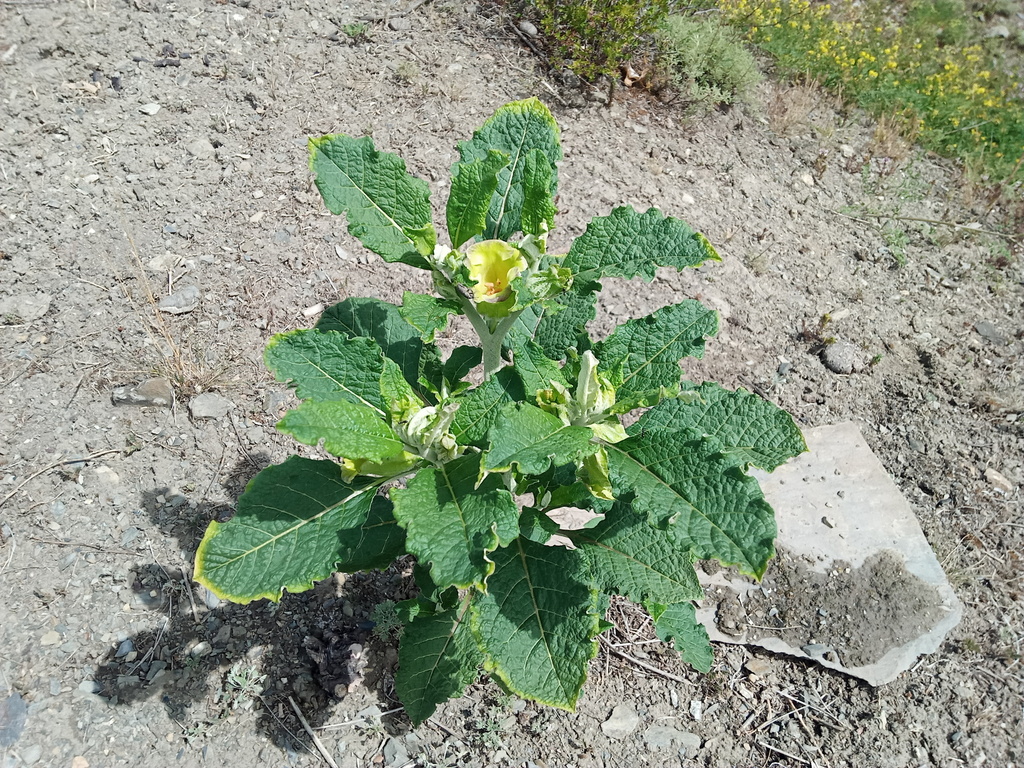
Anisodus
- Origin
- Asia
- Part used
- See detailed notebook
- Tradition
- Traditional ethnobotany
Anisodus is a plant of the highlands of Asia, notably the Tibetan plateau and the Himalayan regions, belonging to the nightshade family, a cousin of Datura and belladonna. Traditional Tibetan and Chinese herbalists knew it for its powerful effects on body and mind, and surrounded it with deep respect mixed with caution. Its traditional use remains marginal and reserved for experienced practitioners, given its vigorous nature.
Traditional uses
Relief of spasmodic pain
In traditional Tibetan medicine, Anisodus roots were used to relieve certain spasms and internal pain, in very small quantities.
Traditional use against asthma
Like other alkaloid-rich nightshades, Anisodus was traditionally associated with the relief of respiratory attacks, particularly by inhaling smoke prepared from the dried plant.
Use in ancient Tibetan pharmacopeia
Texts of Tibetan medicine mention Anisodus among the potent plants reserved for complex preparations, often combined with other substances to modulate its effect.
A traditionally sedative effect at high dose
In minute doses and under the strict control of traditional practitioners, the plant was sometimes used for its calming properties on the nervous system, an effect that quickly turns to toxicity beyond the traditional threshold.
What to know before use
A highly toxic plant containing tropane alkaloids (scopolamine, hyoscyamine); never self-administer without the supervision of a qualified professional. Formally contraindicated for pregnant or breastfeeding women, children, and people suffering from heart conditions, glaucoma, or urinary disorders. Dangerous interactions are possible with many medications, particularly those for cardiac, anticholinergic, or psychotropic purposes. The margin between the traditional dose and the toxic dose is extremely narrow; any use should be ruled out outside a supervised and documented therapeutic setting.
The detailed notebook
- Prepared as a paste or decoction
- Traditional duration of use
- Known contraindications
- Related species and their uses
Where to find it
Partner herbalists — available with the detailed notebook.
Sources
PFAF