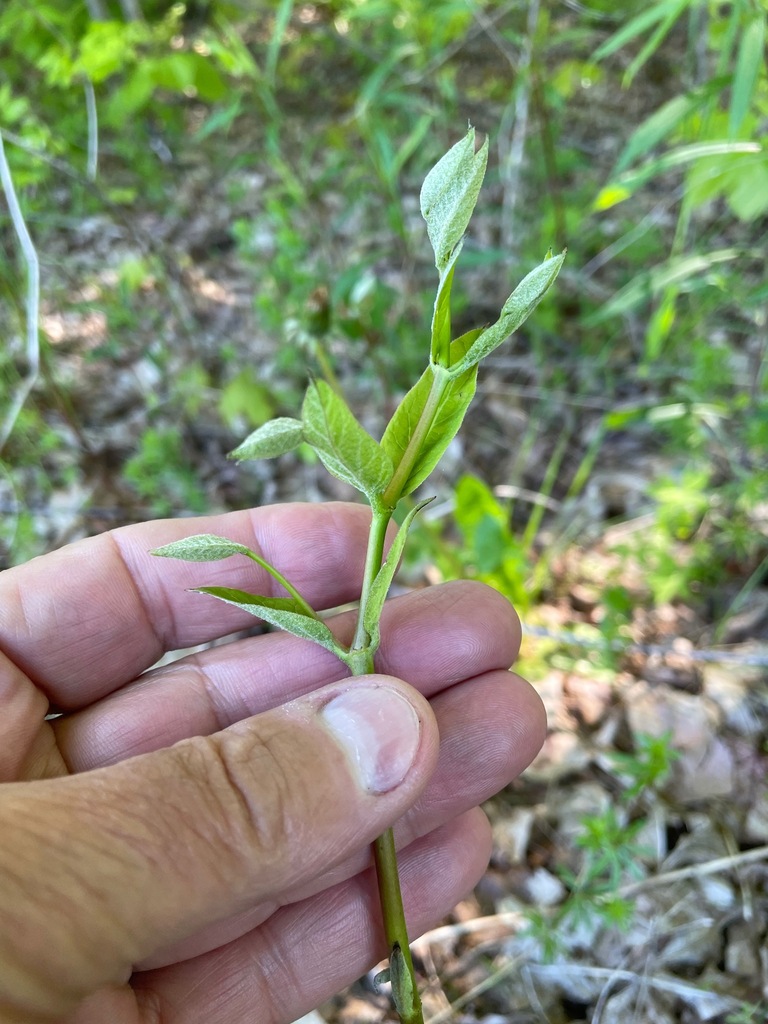
Apocynum cannabinum
- Origin
- North America
- Part used
- Seeds/fruits
- Tradition
- Traditional ethnobotany
Apocynum cannabinum, or Indian hemp, was prized by many Indigenous peoples of North America both for its sturdy textile fibers and for its use in traditional medicine. A plant of damp edges and riverbanks, it carries an old reputation, blending craft and cautious remedies, passed down from generation to generation.
Traditional uses
Traditional heart support
In certain North American herbalist traditions, preparations made from the root or seeds of Apocynum cannabinum were reserved for very closely supervised use, because of its powerful cardiotonic properties close to those of foxglove.
An old diuretic use
The plant was traditionally used to promote water elimination and relieve swelling, notably in Native American pharmacopoeias.
A reported vermifuge use
Some ethnobotanical sources mention an occasional use of the seeds as a traditional vermifuge, always at a low dose and under supervision.
An ancestral textile fiber
Beyond its internal use, the stems provided a strong textile fiber, woven into cordage, nets, and clothing by several Native American nations.
Before you use it
A plant containing powerful cardiotonic glycosides: unsupervised internal use can be dangerous, even at a low dose. Never combine with cardiac, diuretic, or hormonal treatment without medical advice, because of the risk of serious interactions. Strictly discouraged during pregnancy and breastfeeding, as well as in children. Any internal use must be supervised by a health professional or a qualified, experienced herbalist.
The detailed notebook
- Prepared as a paste or decoction
- Traditional duration of use
- Known contraindications
- Related species and their uses
Where to find it
Partner herbalists — available with the detailed notebook.
Sources
PFAF, Wikipedia