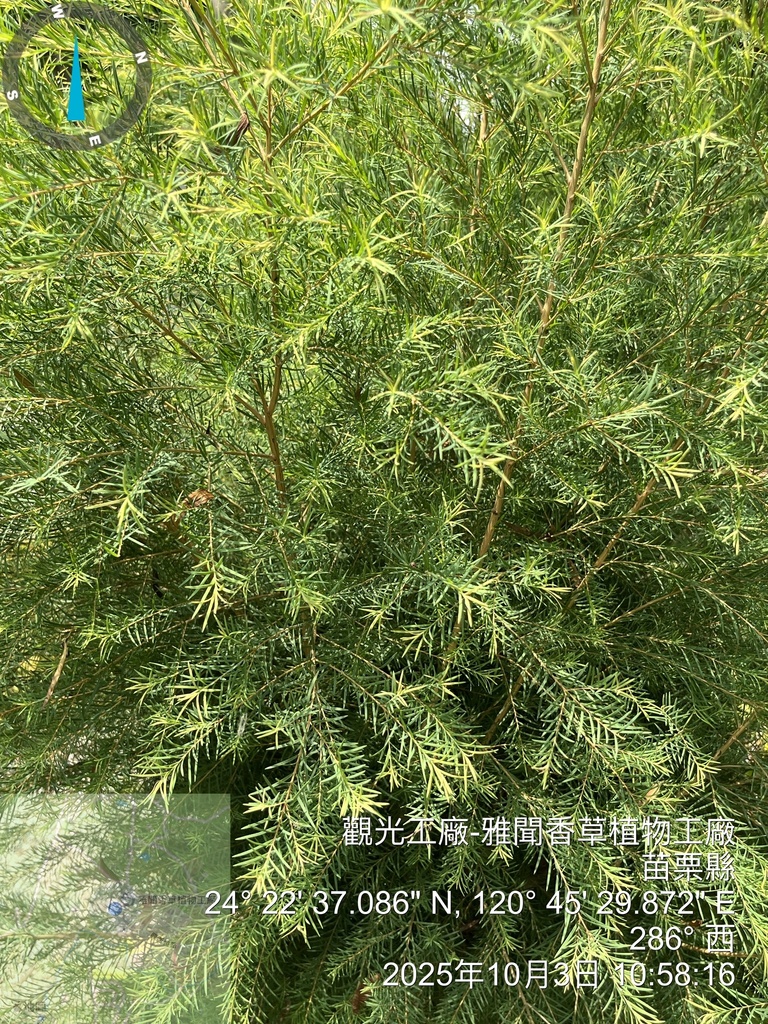
Tea Tree
- Origin
- Oceania
- Part used
- Leaves
- Tradition
- Traditional ethnobotany
Native to the swampy areas of northeastern Australia, tea tree was long known to Aboriginal peoples, who crushed its leaves to breathe in their scent or applied them to the skin. Introduced to the West in the twentieth century under the name "tea tree," it owes its renown to its essential oil, reputed for its purifying properties.
Traditional uses
Inhalation to clear the airways
Fresh crushed leaves or the essential oil were traditionally inhaled to clear the airways during seasonal chills.
Traditional care for minor skin ailments
Applied locally and diluted, tea tree essential oil was used by Aboriginal Australians to soothe minor skin irritations and superficial wounds.
Use in traditional body hygiene
Recognized for its characteristic scent and purifying properties, it went into traditional preparations for scalp and skin hygiene.
Traditional mouth rinses
Carefully diluted, it could be used as a traditional mouth rinse for freshness and oral hygiene, never swallowed.
Before you use it
Never ingest tea tree essential oil, even diluted: it is toxic when taken orally, particularly for children. Always dilute the essential oil in a vegetable oil before skin application, or risk irritation or allergic reactions. Avoid any use during pregnancy or breastfeeding, and in young children, without the advice of a health professional. Perform a preliminary skin test and consult a professional in case of doubt, ongoing medication, or sensitive skin.
The detailed notebook
- Prepared as a paste or decoction
- Traditional duration of use
- Known contraindications
- Related species and their uses
Where to find it
Partner herbalists — available with the detailed notebook.
Sources
PFAF, Wikipedia