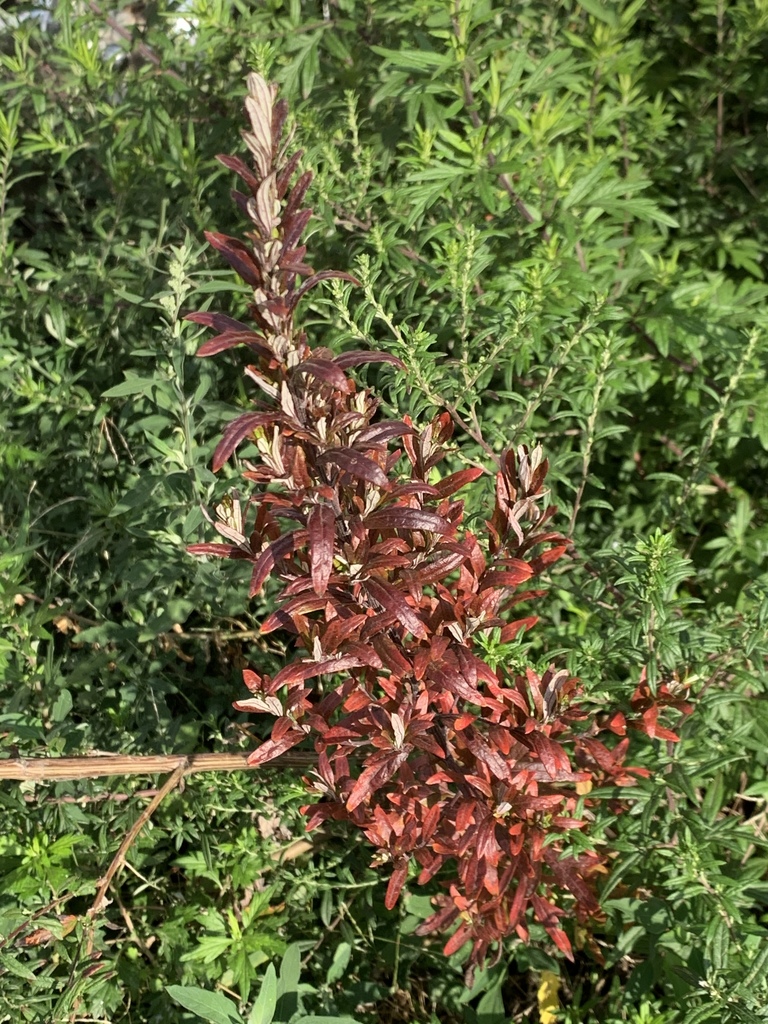
Mugwort
- Origin
- Europe
- Part used
- See detailed notebook
- Tradition
- Traditional ethnobotany
Mugwort has accompanied European herbalists since antiquity, so much so that it was once called the 'mother of herbs' for its privileged role with women. The ancients gathered it along paths and wastelands, deeming it useful for many everyday ailments. Its bitter, camphor-like scent, once dried, still recalls its ancestral use today.
Traditional uses
Traditional support for the menstrual cycle
Mugwort was traditionally used to help with irregular or delayed periods. This very old use is also the one that calls for the most caution.
A bitter appetite and digestive plant
Its pronounced bitterness made it a plant used to stimulate appetite and aid digestion after heavy meals.
Use against intestinal parasites
Like other wormwoods, it was traditionally used in short courses to fight intestinal worms.
A plant for dreams and calm
Placed under the pillow or burned as incense, mugwort was reputed to promote vivid dreams and peaceful sleep, according to old folk traditions.
Before you use it
Formally not recommended during pregnancy due to its traditional emmenagogic use, with a risk of uterine contraction. Not recommended during breastfeeding or in young children, due to a lack of reassuring data. To be avoided in people allergic to plants of the daisy family (daisies, wormwoods, chrysanthemums). Prolonged use or high doses are not recommended without a healthcare professional's advice, due to the presence of thujone, a compound that can be irritating at high doses.
The detailed notebook
- Prepared as a paste or decoction
- Traditional duration of use
- Known contraindications
- Related species and their uses
Where to find it
Partner herbalists — available with the detailed notebook.
Sources
Wikipedia