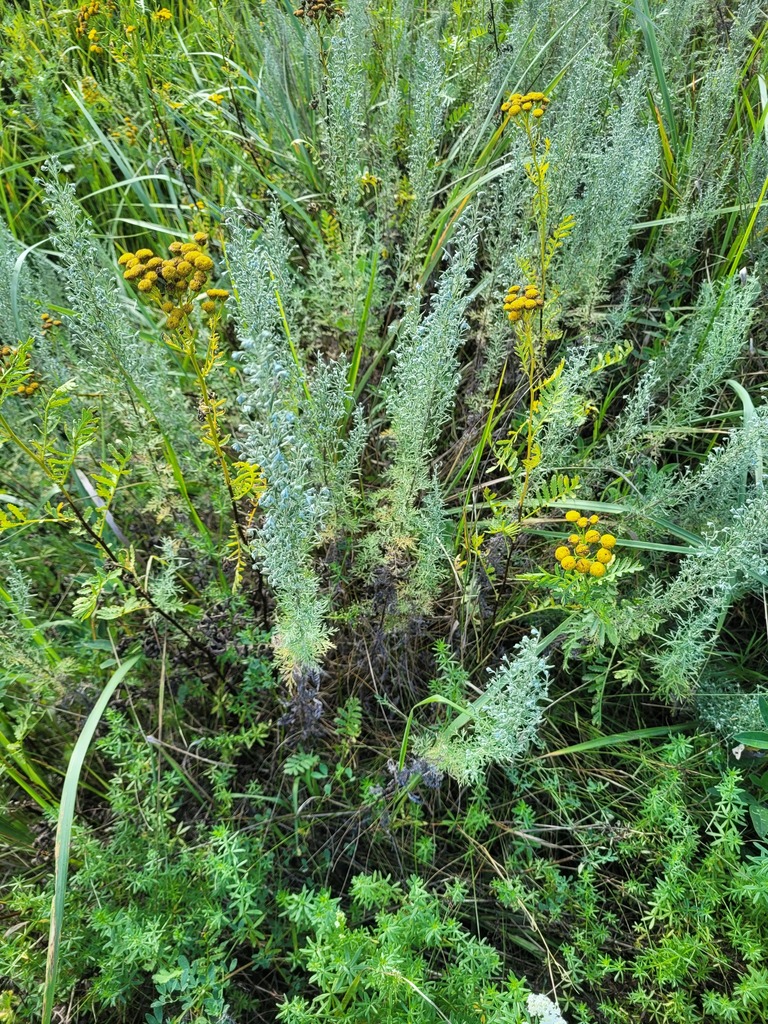
roman wormwood
- Origin
- Europe
- Part used
- See detailed notebook
- Tradition
- Traditional ethnobotany
Roman wormwood, a more delicate cousin of mugwort, was once cultivated in physic gardens to scent linen and flavor certain bitter liqueurs. Its silvery foliage and penetrating scent earned it a discreet but lasting place in European folk pharmacopoeia.
Traditional uses
Support for digestion
Traditionally, a light infusion of the leaves was taken after meals to promote digestion and counter feelings of heaviness, much like other bitter wormwoods.
Appetite stimulation
Herbalists of old used its characteristic bitterness to whet the appetite before meals, in highly diluted preparations.
An aromatic plant for linen
Its dried sprigs were placed in wardrobes and linen chests, both for their scent and to keep moths away.
Old-time deworming use
Like other wormwoods, it was traditionally used against intestinal parasites, a use that today calls for great caution.
Before you use it
Formally not recommended during pregnancy and breastfeeding due to properties traditionally reported as emmenagogic. To be avoided in young children and for prolonged use without a healthcare professional's advice. Contains compounds (including trace thujone depending on chemotype) that can be neurotoxic at high doses or with repeated use. Do not use the essential oil or concentrated preparations without the supervision of a herbalist or doctor.
The detailed notebook
- Prepared as a paste or decoction
- Traditional duration of use
- Known contraindications
- Related species and their uses
Where to find it
Partner herbalists — available with the detailed notebook.
Sources
PFAF, Wikipedia