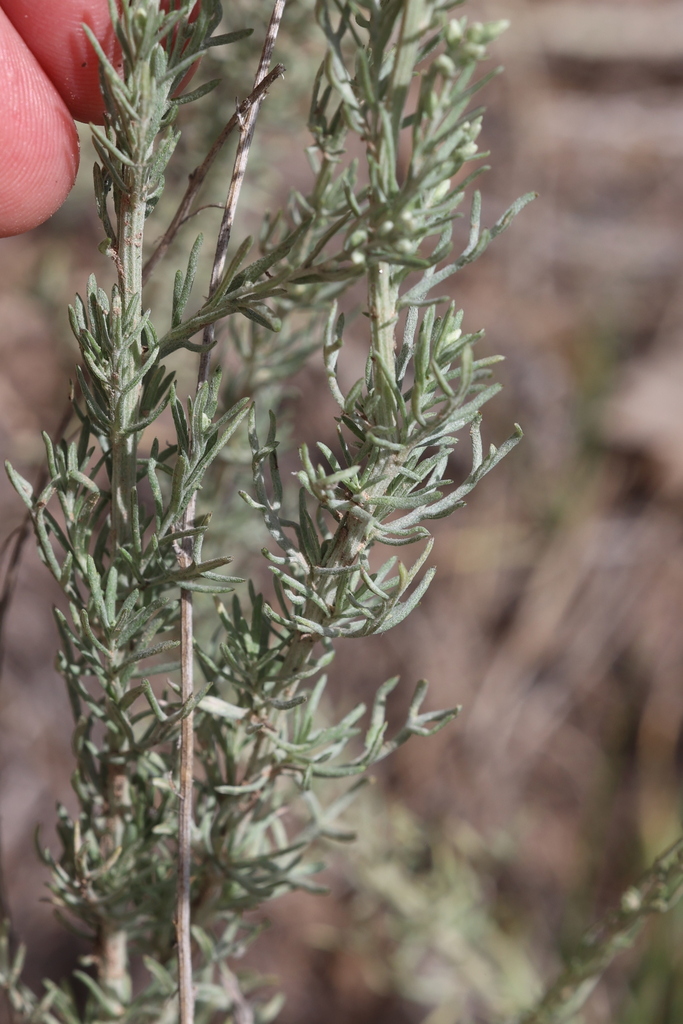
Artemisia carruthii
- Origin
- North America
- Part used
- Seeds/fruits
- Tradition
- Traditional ethnobotany
Among the mugworts of the New World, Artemisia carruthii holds a quiet place in the uses of the peoples of the plains and arid zones of North America. Its characteristic bitterness, common to the mugwort family, made it a plant of healing and ritual, passed down from generation to generation more by oral tradition than by writing. The seeds of this mugwort were particularly gathered and kept for their traditional uses.
Traditional uses
Traditional digestive support
Like many mugworts, the seeds were traditionally used, in small amounts, to help with difficult or sluggish digestion, according to uses reported among certain Native American communities of the plains.
A traditional fumigation plant
Mugwort in general, and this species in particular in certain regions, was used dried as a fumigation during ceremonies to purify a space or a person.
A traditional use against parasites
Like other mugworts rich in bitter compounds, the seeds were reportedly used traditionally to fight certain intestinal parasites, a use to be considered with great caution today.
Traditional application on the skin
Preparations made from crushed seeds or a concentrated infusion were sometimes applied locally, in certain traditions, to minor skin irritation.
Before you use it
A plant of the mugwort family that can contain compounds (including sesquiterpene lactones and potentially thujone) that are irritating or toxic at a high dose: prolonged or high-dose use is discouraged. Use discouraged for pregnant or breastfeeding women, because of properties traditionally attributed to mugworts affecting the uterus. Discouraged for young children and people prone to allergies from the daisy family (marguerites, chrysanthemums, ragweed). Do not use for prolonged internal use without the advice of a health professional or a qualified herbalist, as the traditional uses of this particular species are poorly documented in modern literature.
The detailed notebook
- Prepared as a paste or decoction
- Traditional duration of use
- Known contraindications
- Related species and their uses
Where to find it
Partner herbalists — available with the detailed notebook.
Sources
PFAF, Wikipedia