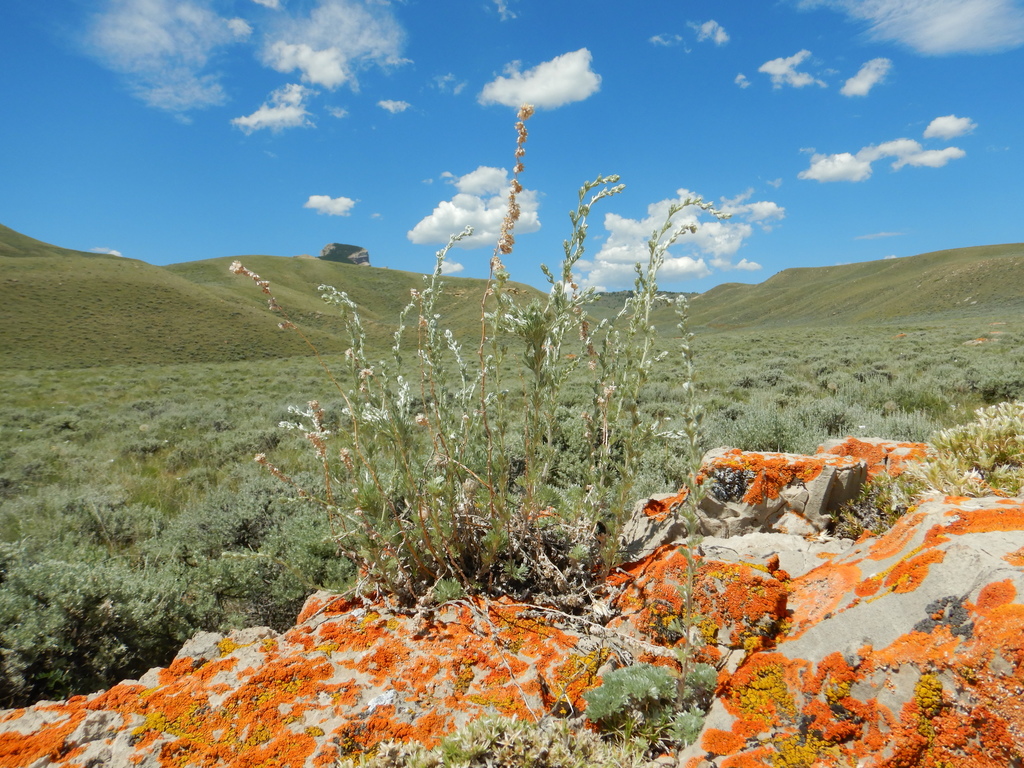
Artemisia frigida
- Origin
- North America
- Part used
- Flowers, Whole plant
- Tradition
- Traditional ethnobotany
Fringed sage, dwarf sage, or the "little silver sage" of the great plains, Artemisia frigida is a quiet companion of the dry, cold soils of North America. The Plains peoples and First Nations had long known it, both for its ritual fumigations and its modest domestic uses. Its camphorous, silvery scent betrays its kinship with other mugworts, plants of memory and protection in many traditions.
Traditional uses
Traditional ceremonial fumigation
The dried plant was burned in small bundles during purification ceremonies, a practice reported among several Indigenous nations of the Plains.
An occasional digestive bitter
Like other mugworts, it was sometimes infused in small amounts to help with difficult digestion, according to a traditional bitter use.
Traditional care for minor wounds
Poultices or washes made from the whole plant were traditionally used on irritated skin or minor wounds.
Inhalation for colds
The smoke or the steam of a plant infusion was sometimes traditionally inhaled during respiratory ailments.
Before you use it
A plant of the mugwort family containing aromatic, bitter compounds (including sesquiterpene lactones) that can be irritating at a high dose or with prolonged use. Discouraged for pregnant or breastfeeding women, because of a traditional use associated with effects on women's cycles. Avoid internal use in children without the advice of a health professional. Medical advice or that of a qualified herbalist is recommended before any internal use, as the traditional use remains poorly documented in terms of modern safety.
The detailed notebook
- Prepared as a paste or decoction
- Traditional duration of use
- Known contraindications
- Related species and their uses
Where to find it
Partner herbalists — available with the detailed notebook.
Sources
PFAF, Wikipedia