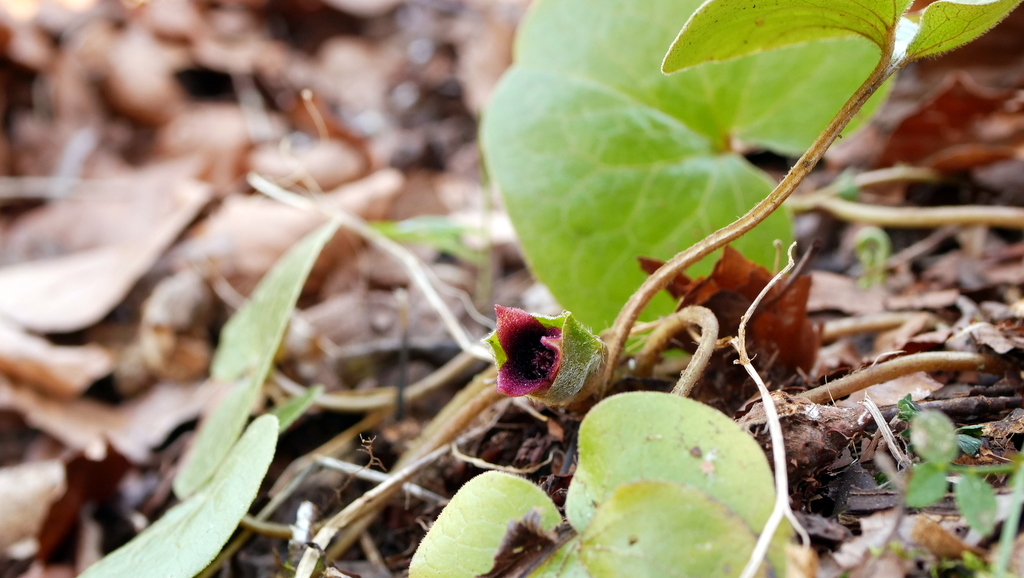
Asarabacca
- Origin
- Europe
- Part used
- See detailed notebook
- Tradition
- Traditional ethnobotany
Discreet beneath the canopy of Europe's forests, asarabacca, with its heart-shaped leaves and its flower hidden at ground level, was long a familiar herb to old herbalists. It appeared in apothecary notebooks under the name 'wild nard,' used with great caution and restraint. Its reputation is now tempered by knowledge of its toxicity, which invites us to see it more as a witness to the history of pharmacopoeia than as a remedy to practice oneself.
Traditional uses
Old-time traditional emetic
The root was once used by herbalists to induce vomiting after the ingestion of harmful substances, in very small doses and under the supervision of an experienced practitioner.
Old use as a sneezing powder
Ground to a powder, the dried asarabacca root went into snuff preparations meant, according to tradition, to clear the nasal passages and induce sneezing.
Historically reported emmenagogic use
Old texts mention a traditional use of asarabacca to bring on menstruation, a use now strongly discouraged due to associated risks and strictly contraindicated during pregnancy.
Traditional external application
The crushed root was sometimes used as a poultice for certain joint pains in local folk practices, a use that remained marginal and scientifically poorly documented.
Before you use it
A toxic plant containing aristolochic acid, recognized as nephrotoxic and carcinogenic: its internal use is now strongly discouraged and regulated in several European countries. Absolutely contraindicated during pregnancy and breastfeeding due to its emmenagogic effect and toxicity. Never use in children or in cases of kidney or liver insufficiency. Any use, even external or in small amounts, should be discussed beforehand with a qualified healthcare professional.
The detailed notebook
- Prepared as a paste or decoction
- Traditional duration of use
- Known contraindications
- Related species and their uses
Where to find it
Partner herbalists — available with the detailed notebook.
Sources
Wikipedia