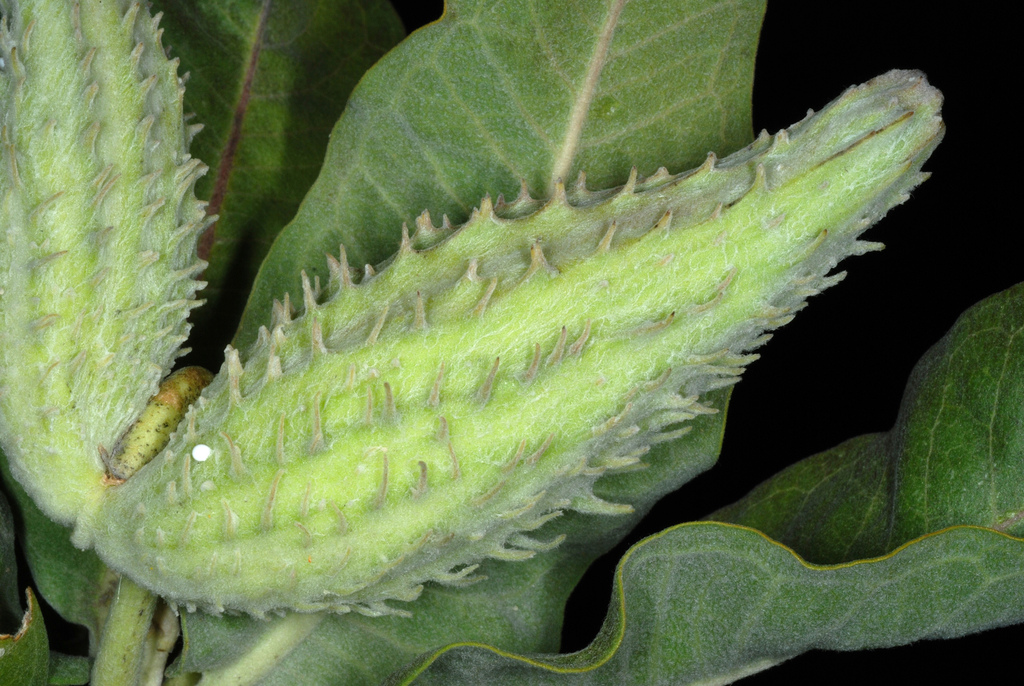
Asclepias speciosa
- Origin
- North America
- Part used
- Seeds/fruits
- Tradition
- Traditional ethnobotany
Showy milkweed, a cousin of common milkweed, grew along the waterways and plains of the North American West. The Indigenous peoples of the Plains and the Great Basin knew its uses well, drawing on its woolly fruits and milky sap to feed themselves, heal themselves, and make everyday objects.
Traditional uses
Traditional support for the airways
Some tribes used preparations made from seeds or root as a mild decoction to help with common respiratory ailments. This use remains reported only fragmentarily depending on the region.
Application of the sap on the skin
The milky latex drawn from the plant was traditionally applied externally to warts or minor skin lesions, according to practices reported by herbalists of the Plains.
Food and craft use of the fruits
The young, still-tender fruits were eaten cooked by several Indigenous peoples as a supplementary food, while the silky fibers of the ripe seeds were used for stuffing and for starting fires.
A decoction for mild digestive trouble
A diluted decoction made from parts of the plant was reportedly used occasionally to ease digestive discomfort, always with great caution because of the toxicity of the sap.
Before you use it
The milky sap contains cardiotonic glycosides and potentially toxic compounds: any uncontrolled ingestion must be avoided. Internal use is strongly discouraged without supervision by a trained professional, particularly for pregnant or breastfeeding women, children, and people undergoing cardiac treatment. Confusion is possible with other milkweeds or toxic plants; certain botanical identification is essential before any handling. Only well-cooked young fruits were traditionally eaten; the raw plant or one at a more mature stage carries risks.
The detailed notebook
- Prepared as a paste or decoction
- Traditional duration of use
- Known contraindications
- Related species and their uses
Where to find it
Partner herbalists — available with the detailed notebook.
Sources
PFAF, Wikipedia