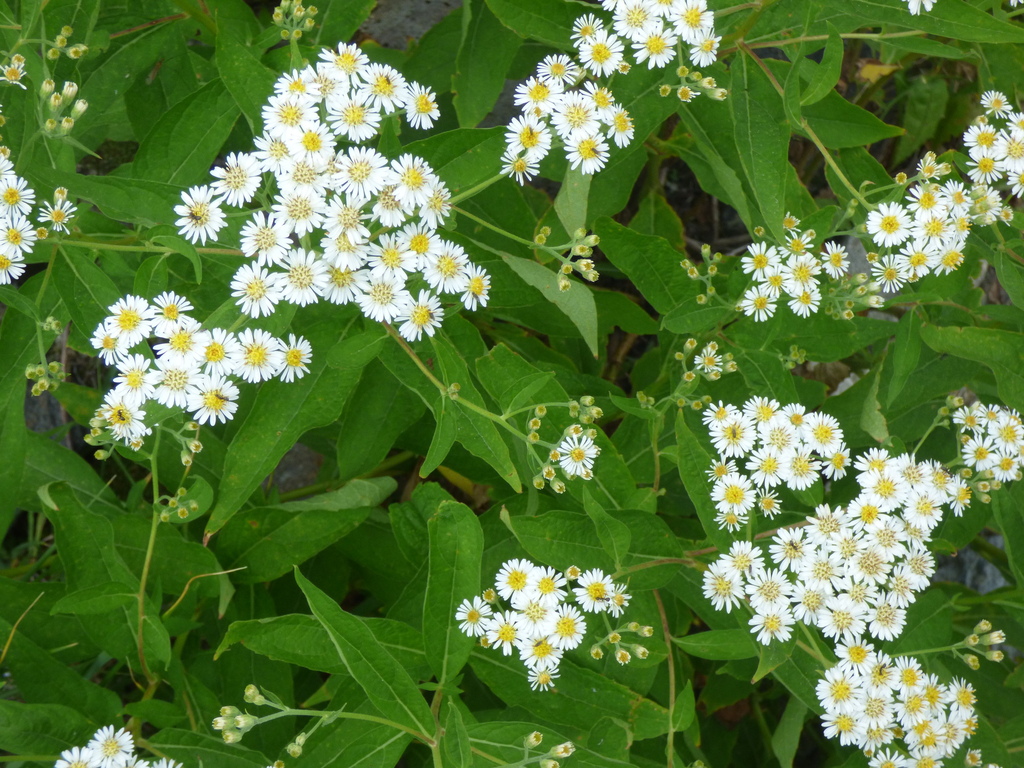
Aster glehnii
- Origin
- Asia
- Part used
- See detailed notebook
- Tradition
- Traditional ethnobotany
In the herbals of the Far East, Aster glehnii is one of those undergrowth and damp meadow plants that the elders would gather discreetly, more through oral transmission than through great learned treatises. In certain regions of Northeast Asia, it was given a modest but respected place among soothing plants used locally and as tisanes.
Traditional uses
Easing joint pain
The aerial part was traditionally used as a local application or decoction to accompany muscle and joint pain, according to regional folk uses.
Compresses on sensitive areas
Some rural practices report the use of warm leaf-based compresses to relieve tension and minor localized skin inflammation.
Light digestive infusion
As a light infusion, the plant is said to have been used occasionally to accompany difficult digestion, in the oral tradition of certain local herbalist communities.
Traditional respiratory support
Some folk uses mention a decoction used to soothe the throat and accompany mild colds, though this practice is not widely documented.
Before you use it
The traditional uses of Aster glehnii are poorly documented scientifically; caution is warranted before any use. Avoid use in pregnant or breastfeeding women, for lack of sufficient safety data. Do not give to young children without the advice of a qualified healthcare professional. Seek advice from a herbalist or doctor if undergoing medication treatment, as interactions cannot be excluded.
The detailed notebook
- Prepared as a paste or decoction
- Traditional duration of use
- Known contraindications
- Related species and their uses
Where to find it
Partner herbalists — available with the detailed notebook.
Sources
PFAF, Wikipedia