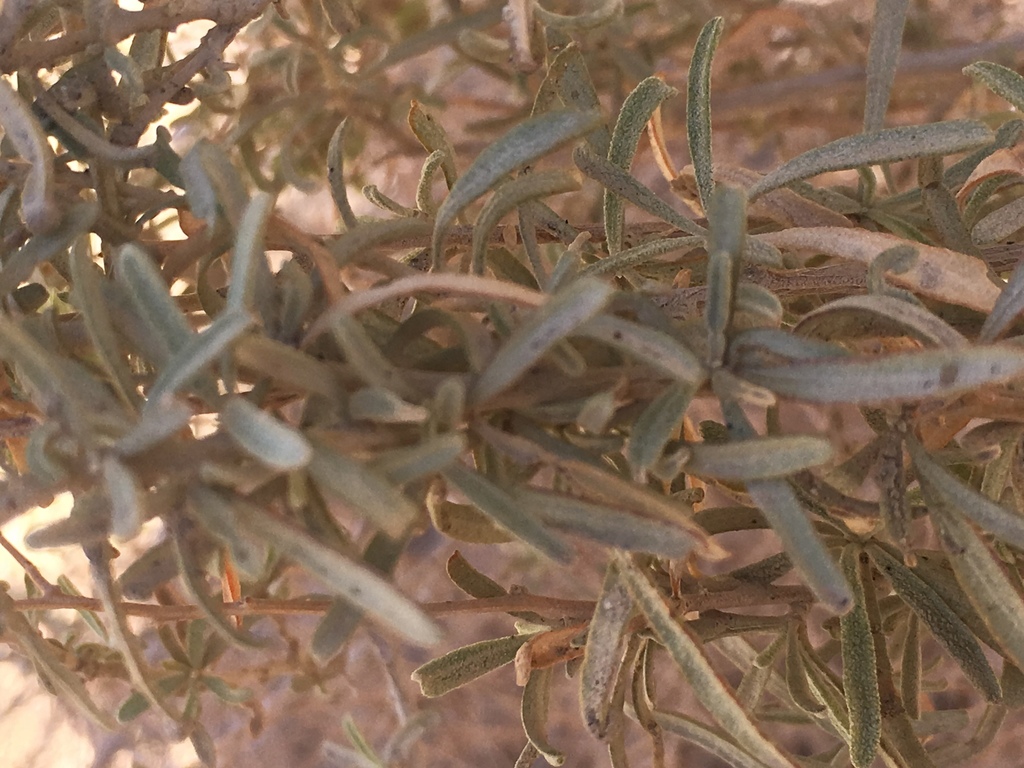
Atriplex canescens
- Origin
- North America
- Part used
- Root
- Tradition
- Traditional ethnobotany
A silvery shrub of the arid lands of the North American Southwest, Atriplex canescens, also called "fourwing saltbush," was a companion plant of the Indigenous peoples of the great desert spaces. Its root, as bitter and tough as the soil that bears it, held a quiet but steady place in the traditional pharmacopoeia of these regions.
Traditional uses
Traditional care for skin irritation
The crushed root or a decoction was applied to insect stings and certain skin irritation, according to uses reported among several peoples of the American Southwest.
Occasional digestive use
A mild root decoction was sometimes traditionally used to help with minor digestive trouble.
Traditional relief for pain
Some ethnobotanical sources mention the use of root-based preparations to ease diffuse pain, particularly joint pain.
A plant of communal care
Beyond its strictly medicinal use, the plant held a place in the shared healing practices of certain Indigenous communities, alongside other plant remedies.
Before you use it
Scientific data on the safety and dosage of this plant remain limited; any internal use deserves the prior advice of a health professional. Avoid any use in pregnant or breastfeeding women, for lack of reassuring data. Do not give it to a child without the supervision of a qualified practitioner. Do not exceed an occasional, external use without having consulted an experienced herbalist or a doctor.
The detailed notebook
- Prepared as a paste or decoction
- Traditional duration of use
- Known contraindications
- Related species and their uses
Where to find it
Partner herbalists — available with the detailed notebook.
Sources
Wikipedia