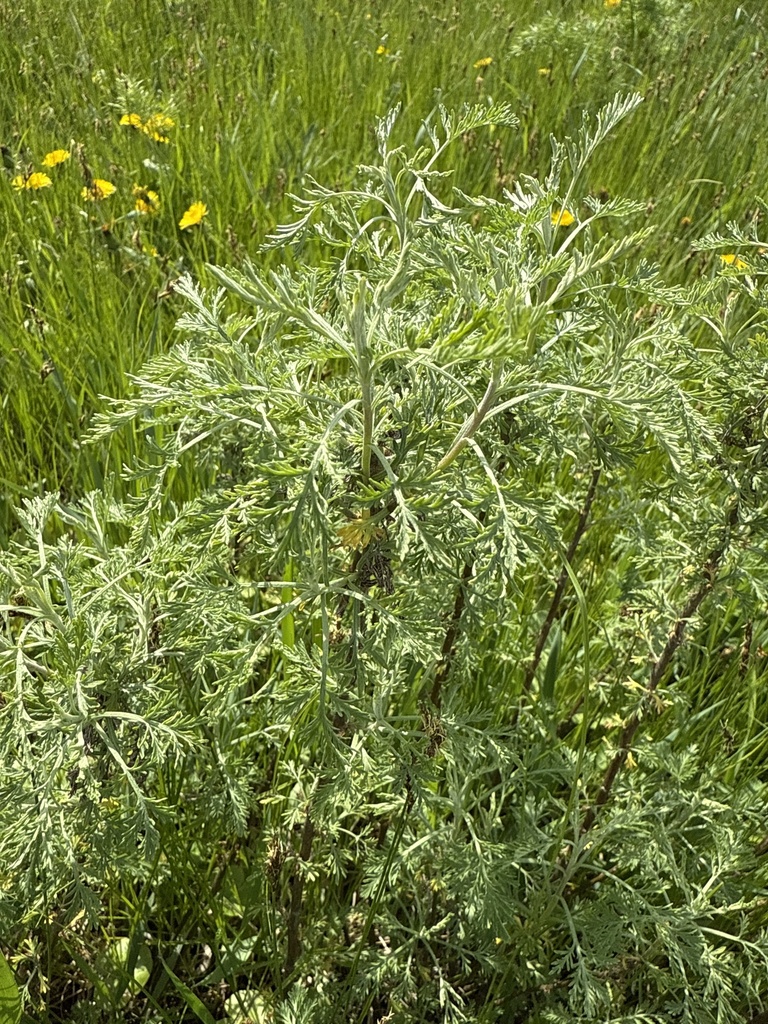
Southernwood
- Origin
- Europe
- Part used
- Whole plant
- Tradition
- Traditional ethnobotany
Southernwood, which old herbalists sometimes called the 'garland herb' or 'sacred wood,' is a perennial aromatic with a pronounced camphor scent, cultivated since antiquity in monastery and physic gardens. It was often planted close to houses, both for its fragrance and for its supposed power to repel insects and moths from linen.
Traditional uses
Traditional evening calm
In parts of the European countryside, a sprig of southernwood tucked into a pillow or a light infusion was used in the evening to promote relaxation before bed.
Old-time digestive bitter
Like many wormwoods, southernwood was traditionally used in very small amounts to stimulate appetite and support sluggish digestion.
Protecting linen and cupboards
Dried sprigs were placed in wardrobes and linen chests, an old practice to keep moths and insects away.
Traditional external applications
Crushed leaves or a concentrated infusion were sometimes applied as a compress to minor skin irritations, according to old folk uses.
Before you use it
A plant of the wormwood family containing compounds (including thujone) potentially toxic at high doses or with prolonged use: avoid internal use without a qualified professional's advice. Contraindicated during pregnancy and breastfeeding due to properties traditionally reported as emmenagogic. Not recommended for children or in cases of epilepsy or neurological disorders. Do not use internally for prolonged periods or at high doses; reserve it instead for external or household use, and consult a healthcare professional before any internal use.
The detailed notebook
- Prepared as a paste or decoction
- Traditional duration of use
- Known contraindications
- Related species and their uses
Where to find it
Partner herbalists — available with the detailed notebook.
Sources
PFAF, Wikipedia