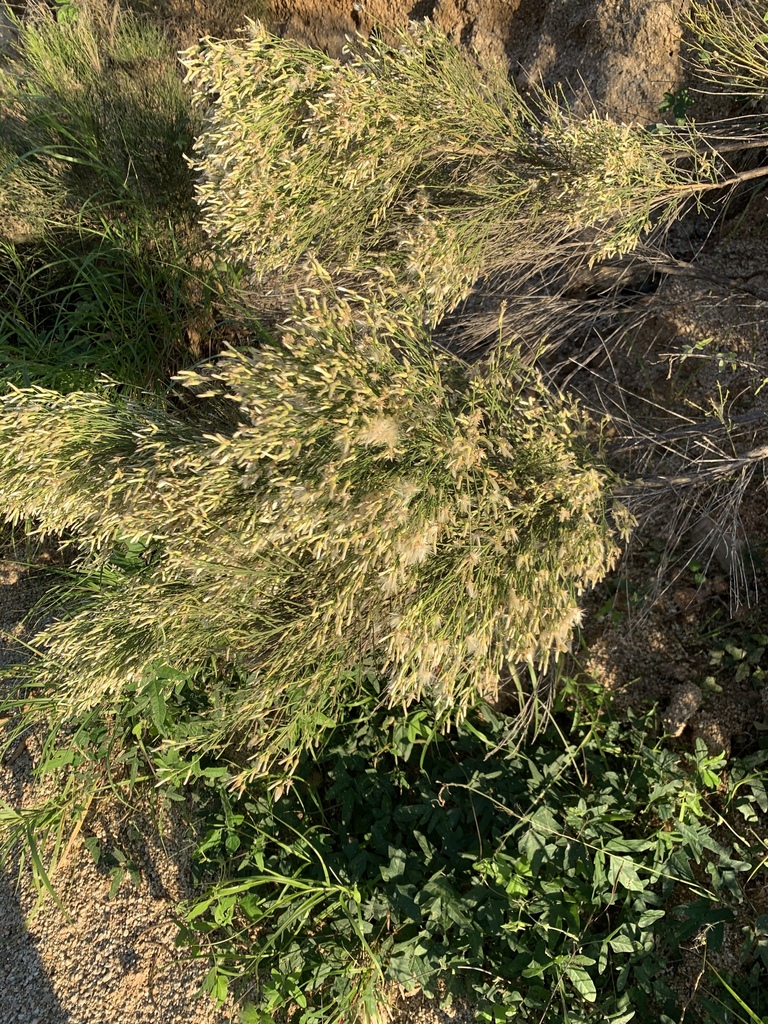
Baccharis sarothroides
- Origin
- North America
- Part used
- Flowers
- Tradition
- Traditional ethnobotany
A resinous shrub of the arid lands of the American Southwest and northern Mexico, Baccharis sarothroides, sometimes called "romerillo" or "desert broom," grows in dense bushes with wind-swept stems. The peoples of the Sonoran Desert and elsewhere traditionally credited it with properties related to the airways, passed down from generation to generation in the regional folk pharmacopoeia.
Traditional uses
Traditional support for the airways
The dried flowers were traditionally infused to help with colds and airway congestion, notably in the folk uses of the Sonoran Desert.
Soothing coughing
A mild decoction of the flowering tops was customarily used to soothe an irritated throat and persistent coughing.
Help with feverish states
In certain local traditions, the flower infusion was drunk hot in cases of mild fever, paired with warm rest.
Traditional vapors and fumigations
The flowering branches were sometimes burned or steeped as a vapor to clear the bronchial tubes, according to an old empirical use.
Before you use it
A plant poorly documented scientifically; its use should remain occasional and cautious, under the advice of a health professional or an experienced herbalist. Like several species of the genus Baccharis, it may contain compounds that are irritating or potentially toxic at a high dose or with prolonged use; do not exceed occasional use. Discouraged for pregnant or breastfeeding women, as well as young children, for lack of safety data. Avoid any confusion with other Baccharis species, some of which are reputed to be toxic to livestock and potentially to humans.
The detailed notebook
- Prepared as a paste or decoction
- Traditional duration of use
- Known contraindications
- Related species and their uses
Where to find it
Partner herbalists — available with the detailed notebook.
Sources
PFAF, Wikipedia