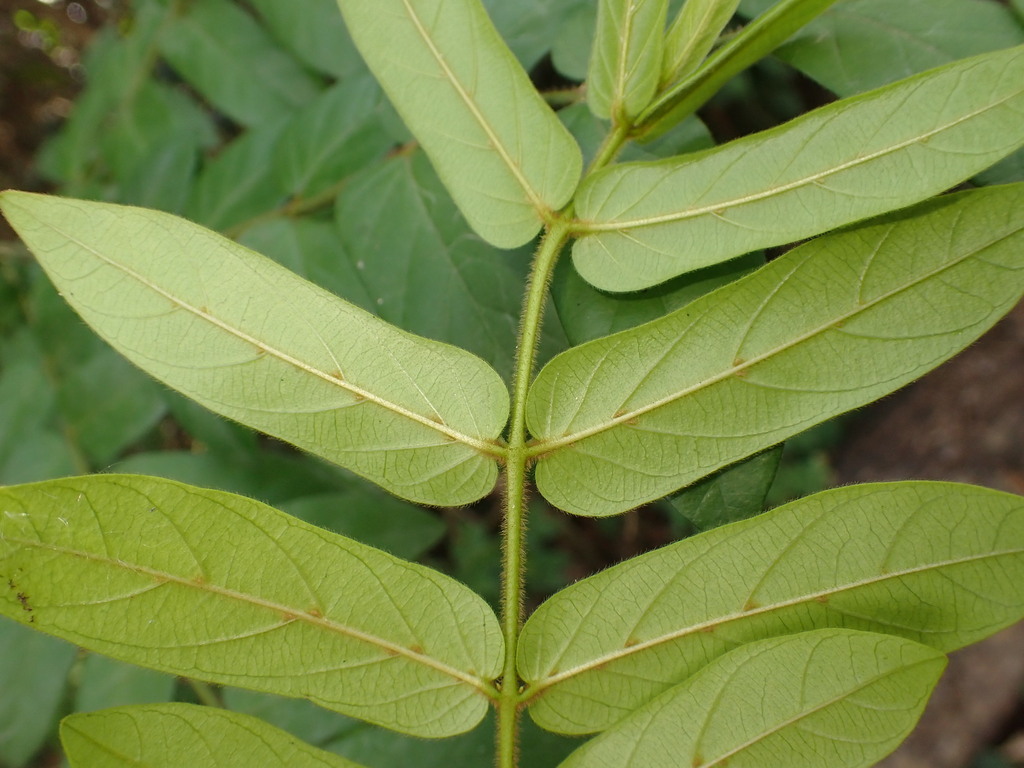
Baissea axillaris
- Origin
- Africa
- Part used
- See detailed notebook
- Tradition
- Traditional ethnobotany
A discreet vine of the savannas and forest edges of tropical Africa, Baissea axillaris belongs to the large Apocynaceae family, many members of which have long been used by local traditional practitioners. Its bark and roots feature in certain traditional West African herbal notebooks, passed down mainly orally. It nonetheless remains a plant little documented by Western science, which calls for a cautious reading of its uses.
Traditional uses
What to know before use
A plant little studied scientifically: its alkaloid content, common among Apocynaceae, calls for great caution regarding potential toxicity. Use not recommended for pregnant or breastfeeding women, as well as children, in the absence of sufficient safety data. Do not self-administer this plant without the advice of a health professional or an experienced traditional practitioner specifically familiar with the species. Avoid any prolonged or high-dose use, as Apocynaceae may contain compounds active on the cardiac or nervous system.
The detailed notebook
- Prepared as a paste or decoction
- Traditional duration of use
- Known contraindications
- Related species and their uses
Where to find it
Partner herbalists — available with the detailed notebook.
Sources
PFAF