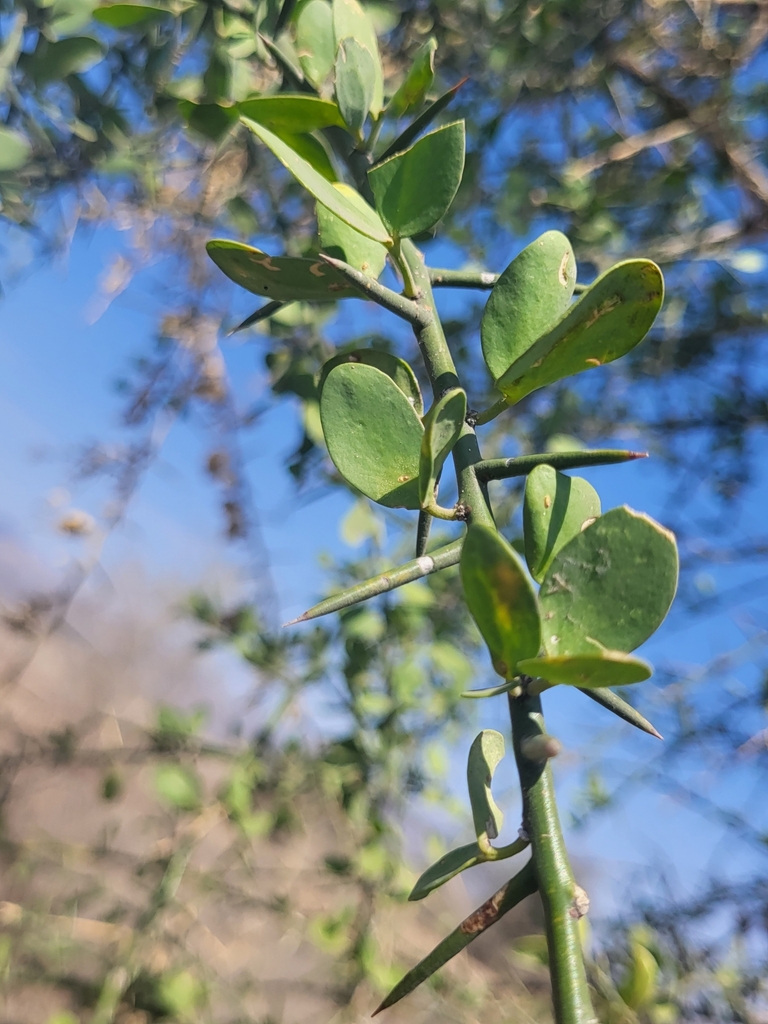
Balanites aegyptiaca
- Origin
- Africa
- Part used
- Leaves, Bark
- Tradition
- Traditional ethnobotany
A thorny tree of the arid and Sahelian zones, Balanites aegyptiaca, sometimes called the "desert date," has accompanied traditional African pharmacopeia for generations. Its leaves and bark, bitter and hardy like the land that bears them, have nourished many folk uses passed down orally from healer to healer. In the notebooks of the ancients, it is credited with as many virtues for the body as for livestock and fields.
Traditional uses
Traditional digestive support
The bark and leaves were traditionally infused or decocted to help with digestive troubles and stomach aches, according to uses reported in several regions of the Sahel.
A use against feverish states
In African folk medicine, the bark decoction was used to help with episodes of fever, particularly in a context of general convalescence.
Traditional care for skin conditions
Crushed leaves or a decoction were applied locally to soothe certain irritation and skin conditions, according to the oral tradition of several African communities.
A traditional antiparasitic use
The bark was sometimes traditionally used in preparations intended to combat intestinal parasites, a reported use that requires great caution regarding dosages.
What to know before use
This plant is little documented scientifically regarding its safety of use: caution requires consulting a health professional before any internal use. Certain parts of Balanites aegyptiaca contain saponins, whose traditional use requires rigorous dosage and is not recommended without supervision. Use not recommended for pregnant or breastfeeding women, as well as young children, for lack of sufficient data. Do not combine with ongoing medication treatment without medical advice, due to undocumented potential interactions.
The detailed notebook
- Prepared as a paste or decoction
- Traditional duration of use
- Known contraindications
- Related species and their uses
Where to find it
Partner herbalists — available with the detailed notebook.
Sources
PFAF, Wikipedia