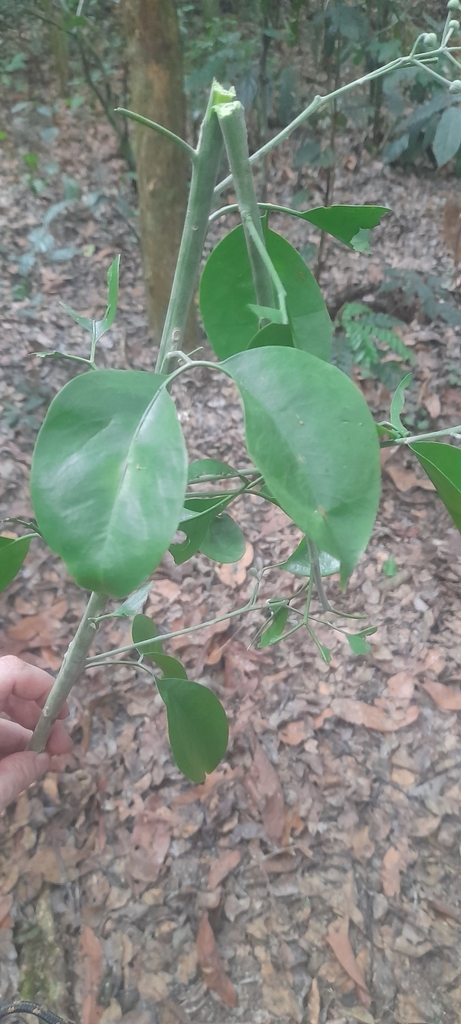
Balanites wilsoniana
- Origin
- Africa
- Part used
- Seeds / fruit
- Tradition
- Traditional ethnobotany
In the savannas and open woodlands of tropical Africa, Balanites wilsoniana is a discreet but precious tree, whose oily fruit and seeds have nourished local traditions for generations. Its close kinship with the desert-dwelling Balanites aegyptiaca has earned it association with the same ancestral uses, between food and folk remedies. The ancients readily called it "the tree that gives everything," so varied and eagerly awaited were its resources.
Traditional uses
Traditional digestive support
The fruit pulp was eaten or infused to help with mild digestive troubles, according to village uses passed down orally.
Traditional skin care
The oil extracted from the seeds was applied to dry or irritated skin, as a nourishing ointment similar to other African plant oils.
A traditional vermifuge use
Like other species of the genus Balanites, the seeds were sometimes used in traditional preparations to combat intestinal parasites, a use reported in several regions of West and Central Africa.
A famine food resource
The oil-rich fruit and seeds provided a supplementary food resource during lean periods, eaten raw, roasted, or processed into oil.
What to know before use
The seeds contain saponins and other compounds whose potential toxicity is not fully documented for this specific species; their internal use should remain cautious and supervised. Avoid any internal use in pregnant or breastfeeding women as well as young children, for lack of safety data. Do not use as a vermifuge or digestive remedy without the advice of a health professional trained in African plants. Prefer moderate, well-prepared food use (oil, cooked pulp) rather than undocumented concentrated preparations.
The detailed notebook
- Prepared as a paste or decoction
- Traditional duration of use
- Known contraindications
- Related species and their uses
Where to find it
Partner herbalists — available with the detailed notebook.
Sources
PFAF, Wikipedia