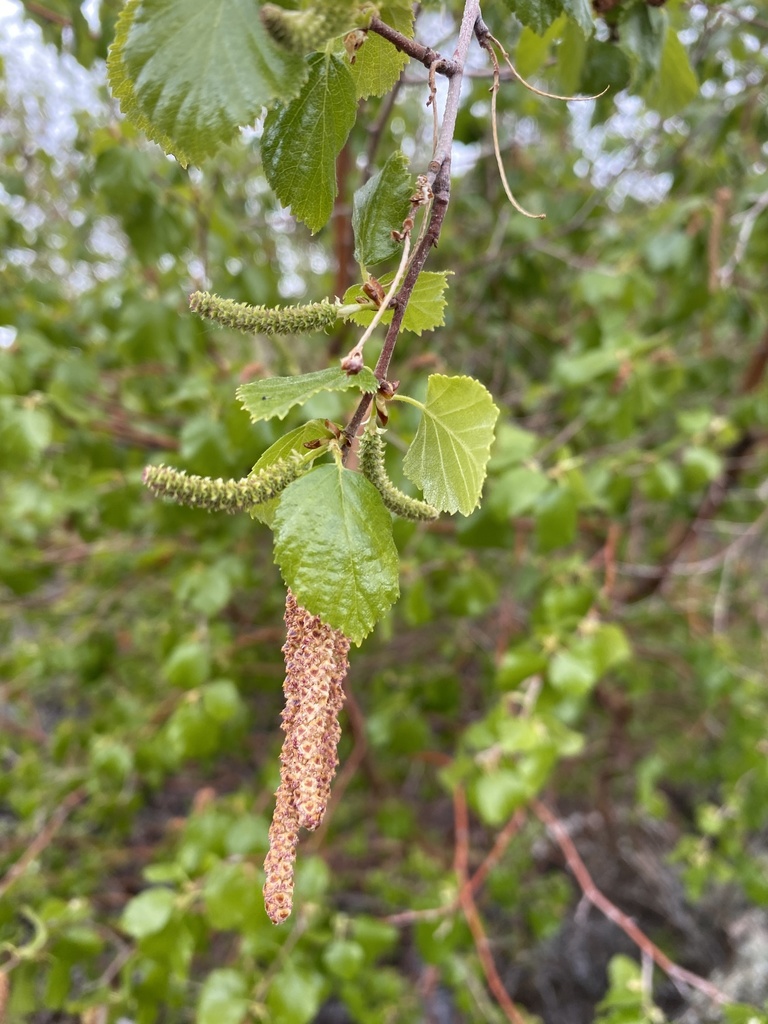
Betula occidentalis
- Origin
- North America
- Part used
- See detailed notebook
- Tradition
- Traditional ethnobotany
Water birch, a cousin of the white birches that line the rivers of North America, long accompanied Indigenous peoples in their everyday pharmacopoeia. Its silvery bark and tender spring leaves reflect knowledge passed down through the seasons, between riverside forests and damp clearings. It was credited with properties for the body as well as for the hearth and craft.
Traditional uses
Traditional digestive support
The leaves and inner bark were infused to help with sluggish digestion, in the tradition of many peoples of the plains and northern forests.
Care for minor skin wounds
The bark, applied as a compress or as an infused oil, was traditionally used to soothe irritated skin or minor wounds.
Joint and muscle comfort
Like other birches, this species was used externally to help with feelings of stiffness or temporary joint discomfort.
A spring cleansing tradition
The sap and young leaves gathered in spring were taken as a course of treatment, for a traditional purpose of seasonal renewal and drainage.
Before you use it
Avoid in case of known birch pollen allergy or cross-reactive food reaction (oral allergy syndrome). Prolonged or high-dose use is not documented with certainty; favor moderate, occasional consumption. Seek the advice of a health professional in cases of pregnancy, breastfeeding, or ongoing medical treatment, particularly diuretics. Do not use for prolonged internal use without the advice of an experienced herbalist, as data on this particular species are less abundant than for common white birch.
The detailed notebook
- Prepared as a paste or decoction
- Traditional duration of use
- Known contraindications
- Related species and their uses
Where to find it
Partner herbalists — available with the detailed notebook.
Sources
PFAF, Wikipedia