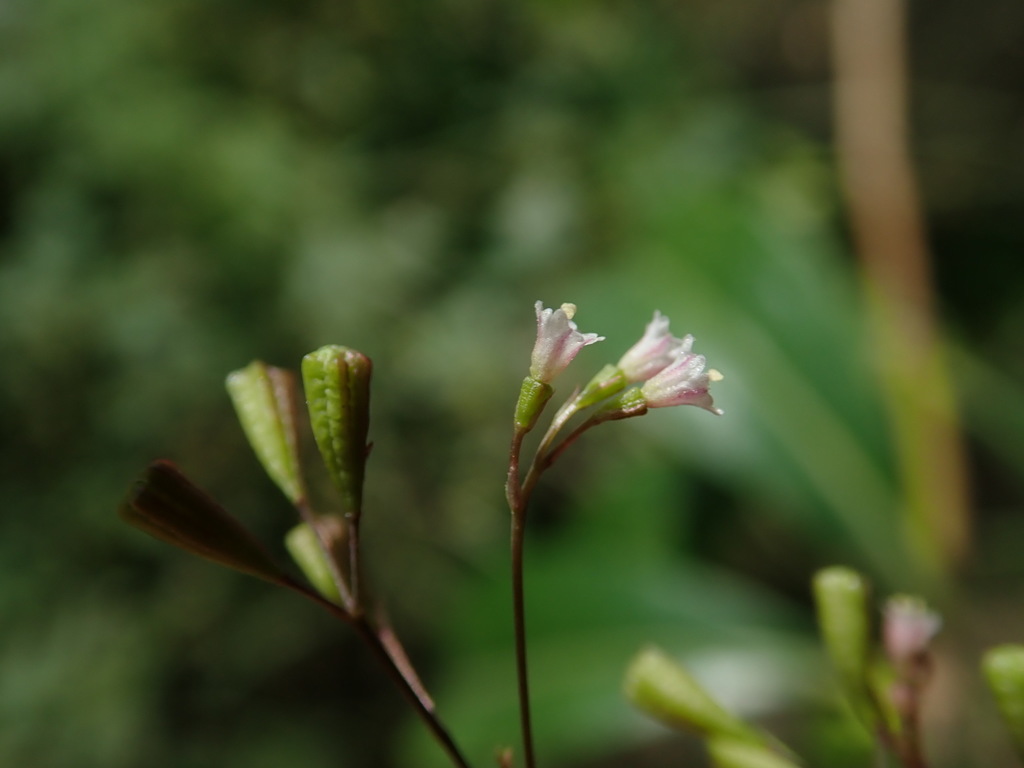
Boerhavia erecta
- Origin
- Africa
- Part used
- Stem
- Tradition
- Traditional ethnobotany
A discreet cousin of the better-known Boerhavia diffusa of Ayurvedic medicine, Boerhavia erecta grows wild in the dry, sandy areas of Africa, where it has long accompanied the folk uses of traditional healers. Its trailing stem, often overlooked by passersby, was nonetheless gathered with care by the continent's ancient herbalists for its reported virtues on the urinary and digestive tracts.
Traditional uses
Traditional digestive support
The stem was traditionally prepared as a decoction to help with difficult digestion and abdominal discomfort, according to African folk uses.
An ancestral diuretic use
Like other species of the genus Boerhavia, the plant was reputed to promote urinary elimination, a use passed down orally in several rural traditions.
A soothing local application
Preparations made from the stem were sometimes applied externally to help with minor skin irritation, according to loosely formalized local practices.
A traditional remedy against fever
Certain communities credited the stem decoction with a traditional action to help with temporary feverish states.
What to know before use
A traditional use with little scientific documentation: the advice of a health professional is recommended before any use. Not recommended for pregnant or breastfeeding women, as a precaution, as certain species of the genus are associated with traditional emmenagogue properties. Do not use in children without the advice of a qualified professional. Avoid if undergoing medication treatment, particularly diuretic, for lack of sufficient data on possible interactions.
The detailed notebook
- Prepared as a paste or decoction
- Traditional duration of use
- Known contraindications
- Related species and their uses
Where to find it
Partner herbalists — available with the detailed notebook.
Sources
PFAF, Wikipedia