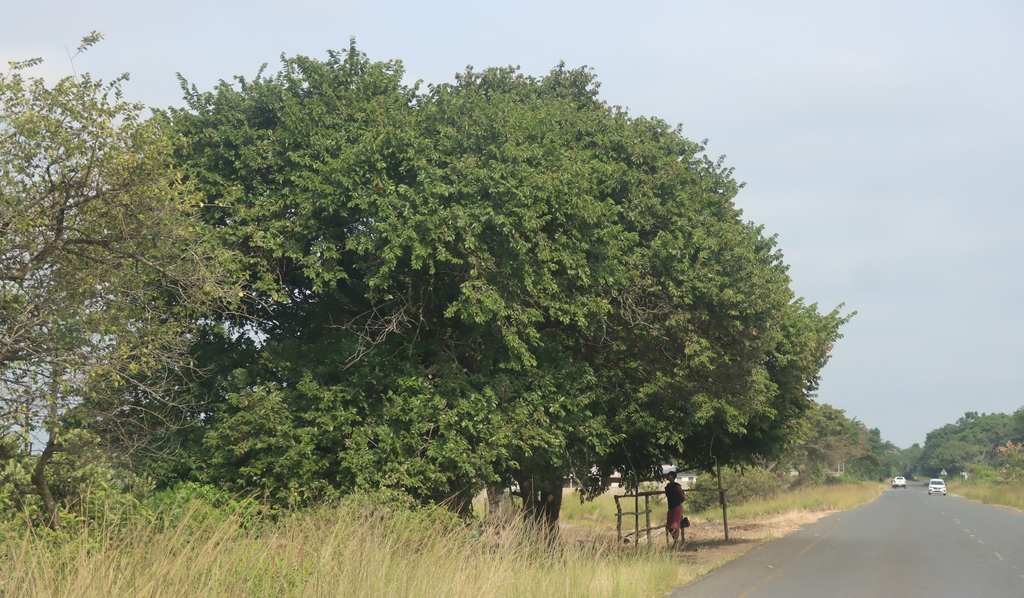
Bridelia micrantha
- Origin
- Africa
- Part used
- Stem
- Tradition
- Traditional ethnobotany
Bridelia micrantha, a tree widespread in the savannas and open woodlands of sub-Saharan Africa, holds a discreet but constant place in local traditional pharmacopeia. Its bark and stem have long been called upon by traditional practitioners to help with digestive troubles and various everyday ailments. This entry gathers the uses passed down orally from generation to generation in several regions of West and Central Africa.
Traditional uses
Traditional digestive support
Stem bark, prepared as a decoction, is traditionally used to soothe common digestive troubles such as abdominal pain or diarrhea.
Relief of diffuse pain
In certain local traditions, the bark decoction is used to relieve general bodily pain, particularly joint pain.
A traditional use against fever
Bridelia micrantha bark is among the traditional remedies called upon to help with feverish states and certain parasitic ailments.
Traditional wound care
Bark-based preparations have traditionally been used externally to cleanse and promote the healing of minor skin wounds.
What to know before use
A traditional use with little scientific documentation: the advice of a health professional is recommended before any use, particularly internal. Do not use in pregnant or breastfeeding women, for lack of sufficient safety data. Avoid prolonged or high-dose use without supervision, due to a lack of perspective on possible interactions or toxicities. Do not give to young children without prior medical advice.
The detailed notebook
- Prepared as a paste or decoction
- Traditional duration of use
- Known contraindications
- Related species and their uses
Where to find it
Partner herbalists — available with the detailed notebook.
Sources
PFAF, Wikipedia