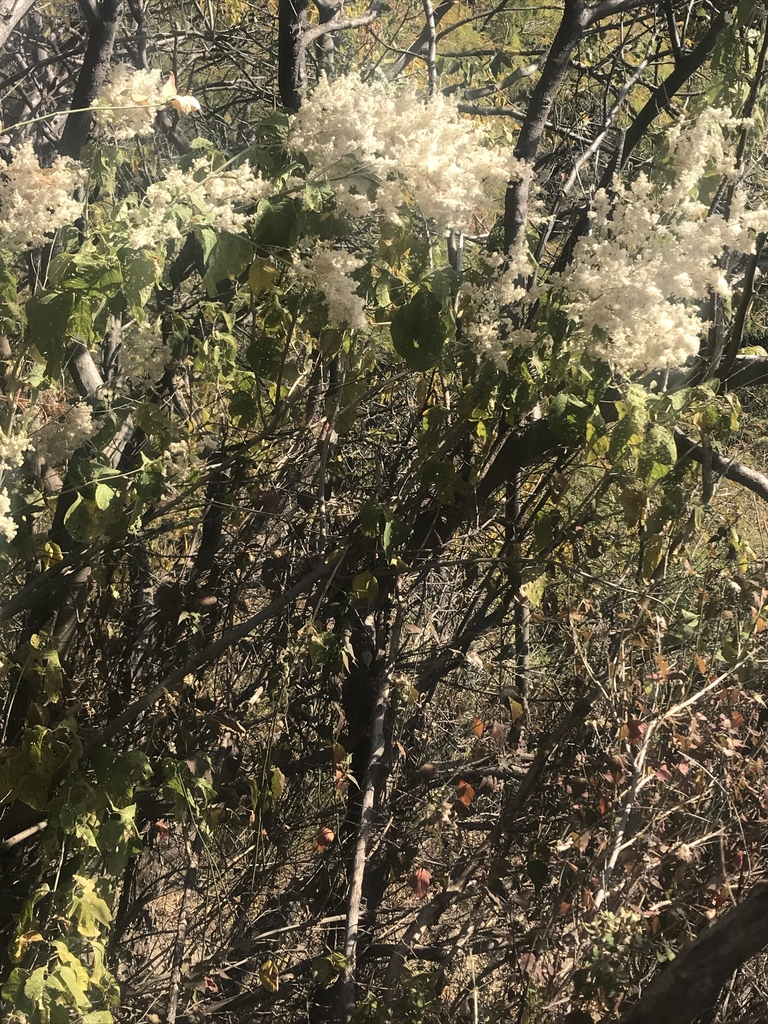
Buddleja cordata
- Origin
- North America
- Part used
- See detailed notebook
- Tradition
- Traditional ethnobotany
Known in Mexico as "tepozán" or "salvia real," Buddleja cordata is a highland shrub whose leaves and bark have accompanied the traditional remedies of Indigenous and mestizo communities for generations. Herbalists of these regions count it among the plants useful for soothing skin and respiratory ailments, in a use that has remained above all local and empirical.
Traditional uses
Traditional care for wounds and irritation
The crushed leaves or a decoction were applied externally to irritated skin, superficial wounds, or stings, according to practices reported in Mexican folk pharmacopoeia.
Help with respiratory ailments
A leaf infusion was traditionally drunk to help with episodes of coughing or colds, in keeping with the uses attributed to several Buddleja species in Central America.
A folk use for digestive trouble
Some local traditions report the use of leaf or bark decoctions to relieve stomachaches and mild digestive trouble.
A traditional fever remedy
The bark and leaves are among the fever-reducing plants used empirically in certain rural regions of central Mexico.
Before you use it
The traditional uses of Buddleja cordata are poorly documented by modern research; caution is called for regarding doses and frequency of use. Do not use in pregnant or breastfeeding women, for lack of sufficient safety data. Avoid prolonged or high-dose use without the advice of a health professional trained in medicinal plants. Certain species of the genus Buddleja contain compounds whose long-term effects remain poorly understood; any internal use deserves prior qualified advice.
The detailed notebook
- Prepared as a paste or decoction
- Traditional duration of use
- Known contraindications
- Related species and their uses
Where to find it
Partner herbalists — available with the detailed notebook.
Sources
PFAF