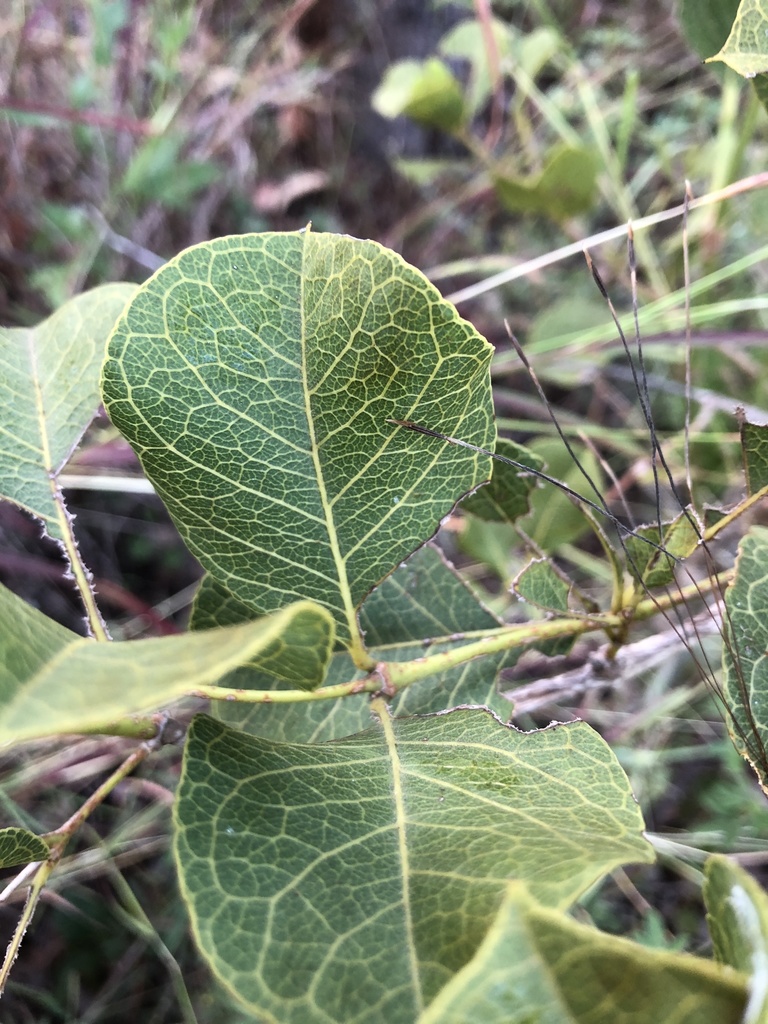
Bush medicine
- Origin
- Oceania
- Part used
- Flowers
- Tradition
- Traditional ethnobotany
Under the generic name "bush medicine," the Aboriginal peoples of Australia and Pacific island communities designate a vast body of orally transmitted practices, in which every plant of the bush finds its place in everyday care. Flowers, in particular, held a prized place in these simple preparations, often made as close as possible to the gathering site. This knowledge, shaped by generations of custodians of the land, remains above all a cultural and oral heritage rather than a codified pharmacopoeia.
Traditional uses
Before you use it
The term "bush medicine" covers a very wide diversity of plant species depending on region and people; in the absence of precise botanical identification, the greatest caution is called for before any use. Never consume a bush plant without confirmation of its identity by a qualified person or a holder of local traditional knowledge, as certain flowering species may be toxic. Not advised for pregnant or breastfeeding women, young children, or people undergoing medical treatment, for lack of consolidated safety data. It is essential to consult a health professional before any use, as this knowledge is orally transmitted and not standardized.
The detailed notebook
- Prepared as a paste or decoction
- Traditional duration of use
- Known contraindications
- Related species and their uses
Where to find it
Partner herbalists — available with the detailed notebook.
Sources
PFAF, Wikipedia