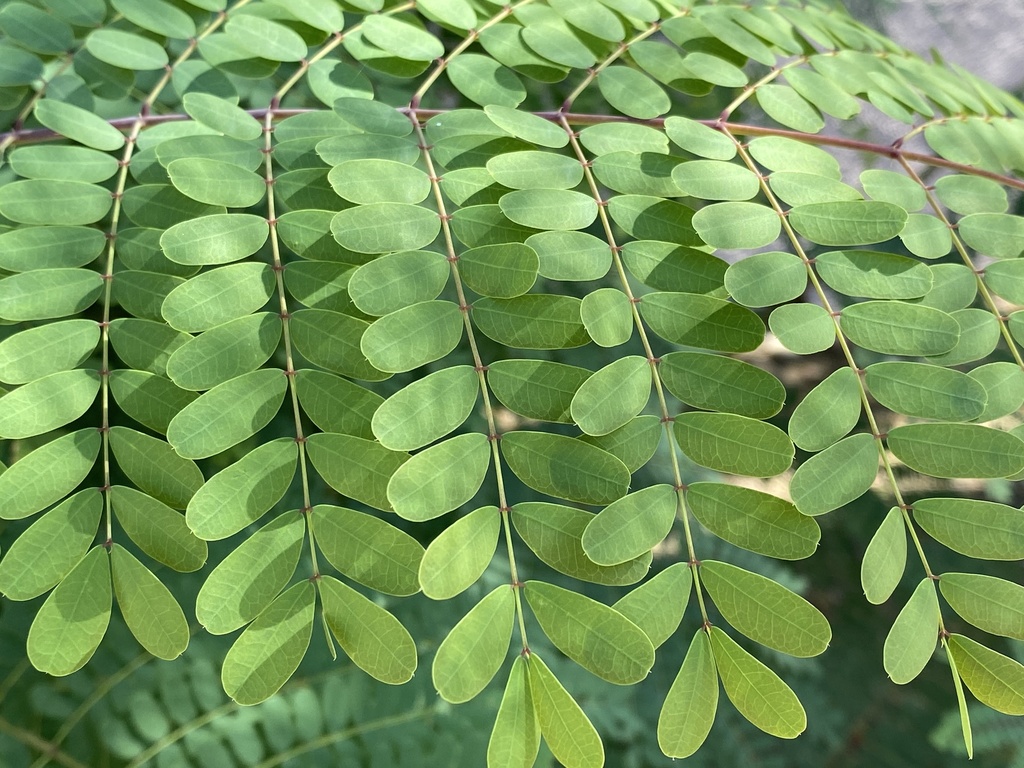
Caesalpinia pulcherrima
- Origin
- North America
- Part used
- See detailed notebook
- Tradition
- Traditional ethnobotany
A flamboyant shrub with orange and scarlet flowers, Caesalpinia pulcherrima has for centuries adorned the gardens and hedges of the tropical Americas. Sometimes nicknamed "flower of paradise" or "pride of Barbados," it holds a particular place in the folk pharmacopoeias of Central America and the Caribbean. The old healers used it with wary respect, well aware of the strength held in certain of its parts.
Traditional uses
Traditional cycle regulation
In several traditions of Central America and the Caribbean, a decoction of flowers or pods was used to bring on delayed menstruation. This emmenagogue use is documented today mainly as ethnobotanical testimony.
A fever remedy of the tropical countryside
The leaves and bark traditionally went into preparations meant to bring down fever, particularly during episodes taken for malaria in rural regions.
Occasional digestive support
A light infusion of the flowers was sometimes drunk to ease minor digestive trouble and bloating, according to folk uses reported in the Antilles.
A soothing external use
Poultices of crushed leaves were applied to the skin to relieve irritation and minor wounds, in certain rural traditions of tropical America.
Before you use it
The seeds and pods are reputed to be toxic and must never be ingested, particularly by children. A plant with a traditional emmenagogue use: formally discouraged during pregnancy because of a suggested risk of abortive action. No reliable data exist on possible drug interactions: the advice of a health professional is essential before any internal use. Reserved for the documented traditional use; do not exceed the light, occasional preparations described here.
The detailed notebook
- Prepared as a paste or decoction
- Traditional duration of use
- Known contraindications
- Related species and their uses
Where to find it
Partner herbalists — available with the detailed notebook.
Sources
Wikipedia