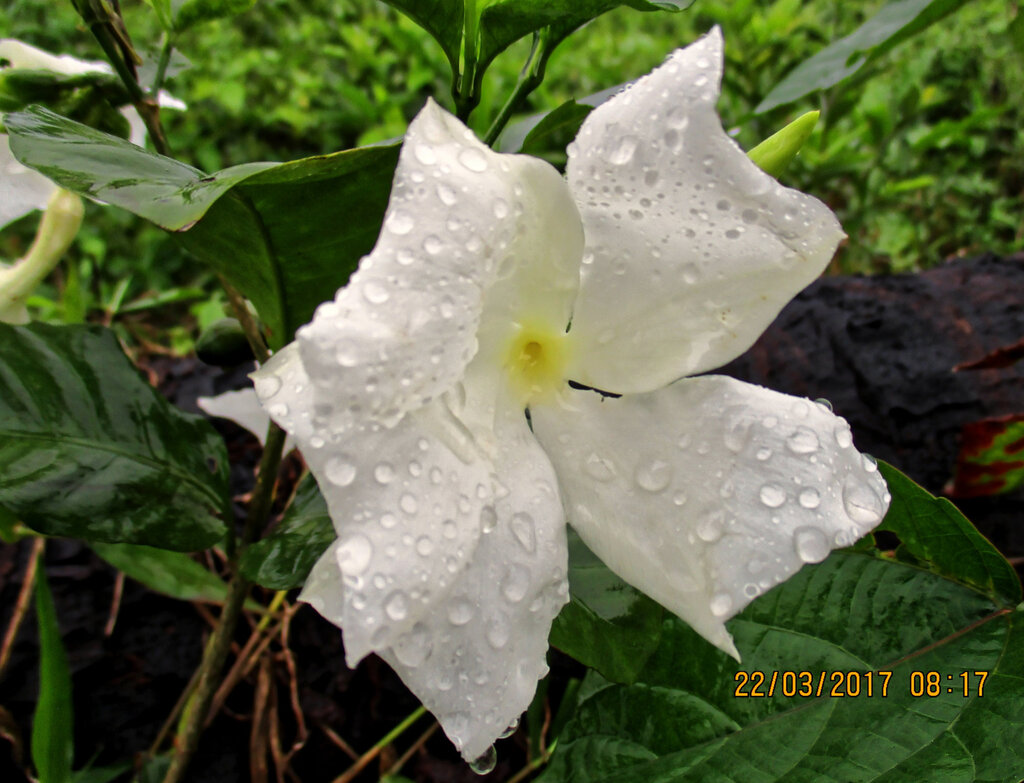
Callichilia barteri
- Origin
- Africa
- Part used
- See detailed notebook
- Tradition
- Traditional ethnobotany
A discreet shrub of the undergrowth of West Africa, Callichilia barteri belongs to the large Apocynaceae family, many members of which exude a characteristic milky latex. Little known outside its native range, this plant nonetheless appears in local pharmacopeias passed down orally from generation to generation. Its use is above all a regional tradition poorly documented by Western written sources.
Traditional uses
Traditional digestive troubles
The bark and leaves are said to have been used as a decoction in certain West African pharmacopeias to ease digestive discomfort, according to loosely formalized customary uses.
Local skin care
The latex or bark-based preparations are sometimes mentioned in traditional external use for minor skin conditions.
Traditional remedy against fever
Like many local Apocynaceae, this plant is said to have been used in certain communities to help with feverish states, though this use is not widely validated in the ethnobotanical literature.
What to know before use
This plant belongs to a botanical family (Apocynaceae) that includes many species with potentially irritating or toxic latex; caution is advised. The reported traditional uses are poorly documented scientifically: medical advice or that of a qualified practitioner is essential before any use. Not recommended for pregnant or breastfeeding women, or for children, due to a lack of safety data. Avoid any contact of the latex with the eyes or mucous membranes.
The detailed notebook
- Prepared as a paste or decoction
- Traditional duration of use
- Known contraindications
- Related species and their uses
Where to find it
Partner herbalists — available with the detailed notebook.
Sources
PFAF