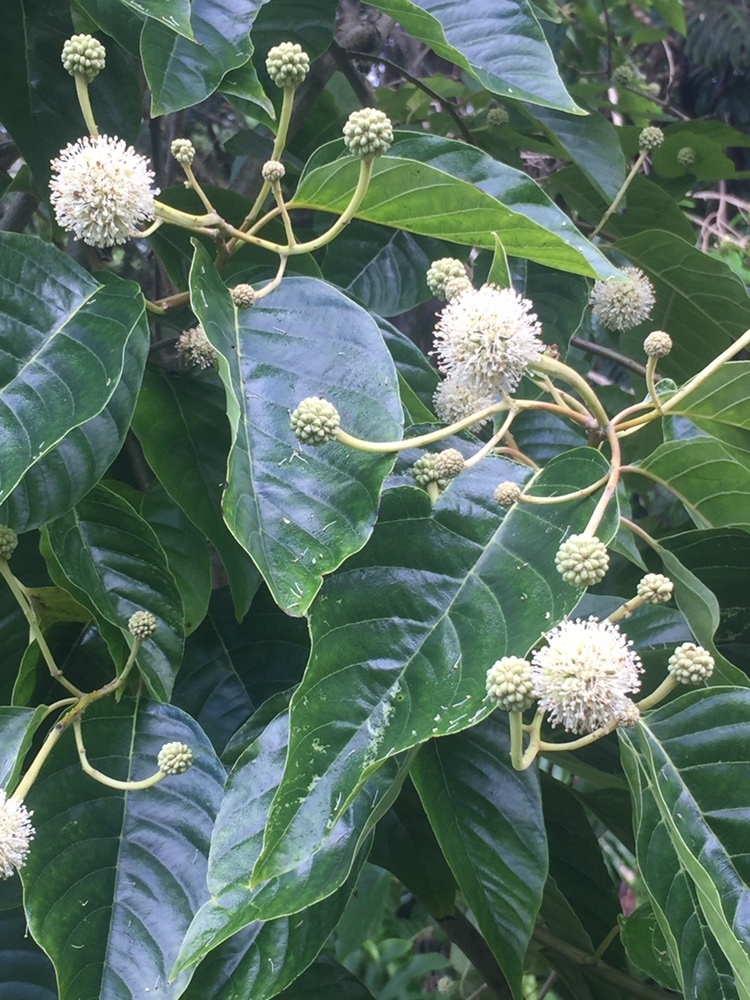
Camptotheca acuminata
- Origin
- Asia
- Part used
- See detailed notebook
- Tradition
- Traditional ethnobotany
Native to the damp valleys of southern China, the tree Camptotheca acuminata, sometimes called the "tree of happiness," long intrigued Chinese herbalists for its singular properties. It was not until the 20th century, however, that Western botanical research examined its compounds, revealing a plant far more complex than a simple folk remedy. It now holds a special place, at the border between local tradition and advanced pharmacological research.
Traditional uses
An ancient Chinese folk remedy
In certain regions of southern China, the bark and leaves were traditionally used in local preparations, passed down empirically within rural communities.
A plant of research interest
Camptotheca acuminata has mainly been known since the 20th century as a source of compounds studied in the laboratory, making it a plant more associated with scientific research than with everyday family use.
A symbolic and landscape tree
Beyond its internal uses, the tree is also planted for its shade and symbolic value in certain traditional gardens of East Asia.
What to know before use
This plant contains potent compounds and is the subject of extensive pharmacological research; it must never be used in self-medication. Any preparation based on Camptotheca acuminata must be carried out under the strict supervision of a health professional or a qualified herbalist. Formally not recommended for pregnant or breastfeeding women, or children, due to a lack of safety data. Interactions with certain medications are possible; consult a doctor before any use, even external.
The detailed notebook
- Prepared as a paste or decoction
- Traditional duration of use
- Known contraindications
- Related species and their uses
Where to find it
Partner herbalists — available with the detailed notebook.
Sources
PFAF