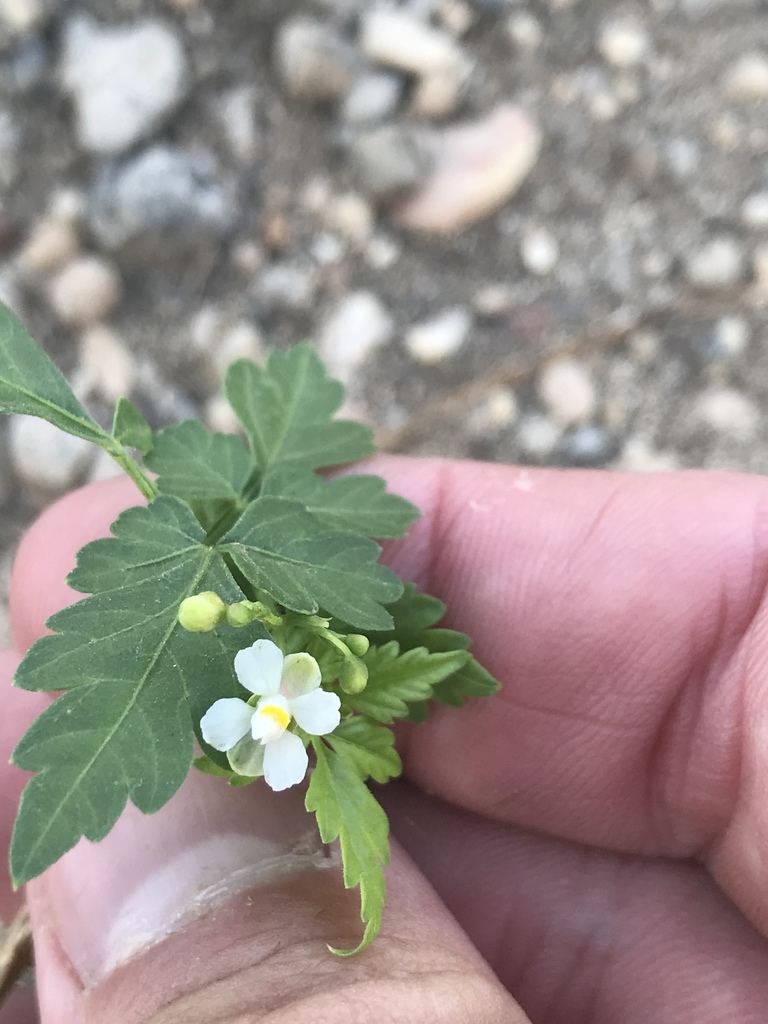
Cardiospermum halicacabum
- Origin
- Asia
- Part used
- Flowers
- Tradition
- Traditional ethnobotany
Cardiospermum halicacabum, also called balloon vine or heart pea because of the shape of its seed, is a climbing vine native to the warm regions of Asia, now widespread throughout the tropics. Traditional Indian and Southeast Asian herbalists have long mentioned it in the notebooks of Ayurvedic medicine, particularly for soothing joints and inflamed skin.
Traditional uses
Relief for painful joints
The flowers and aerial parts were traditionally used as a poultice or infused oil to relieve stiff or painful joints, particularly in regions with a damp climate.
Care for irritated skin
Used externally, the infused plant or a poultice made from it traditionally helped with skin itching and minor skin irritation.
Traditional support for the female cycle
In certain Ayurvedic traditions, the plant was among the remedies intended to help with discomfort of the female cycle, a use to be regarded with caution and rarely precisely documented.
Support for the respiratory tract
A light decoction of the aerial parts was sometimes used locally to help with mild respiratory conditions, according to folk uses reported in South Asia.
What to know before use
Traditional external use is mainly documented; internal use remains little studied and should be avoided without the advice of a health professional. Not recommended for pregnant or breastfeeding women, due to a traditional use related to the female cycle suggesting possible uncharacterized hormonal activity. Avoid in young children, for lack of sufficient tolerance data. If undergoing medication treatment, particularly anti-inflammatory or anticoagulant, seek professional advice before any use.
The detailed notebook
- Prepared as a paste or decoction
- Traditional duration of use
- Known contraindications
- Related species and their uses
Where to find it
Partner herbalists — available with the detailed notebook.
Sources
PFAF, Wikipedia