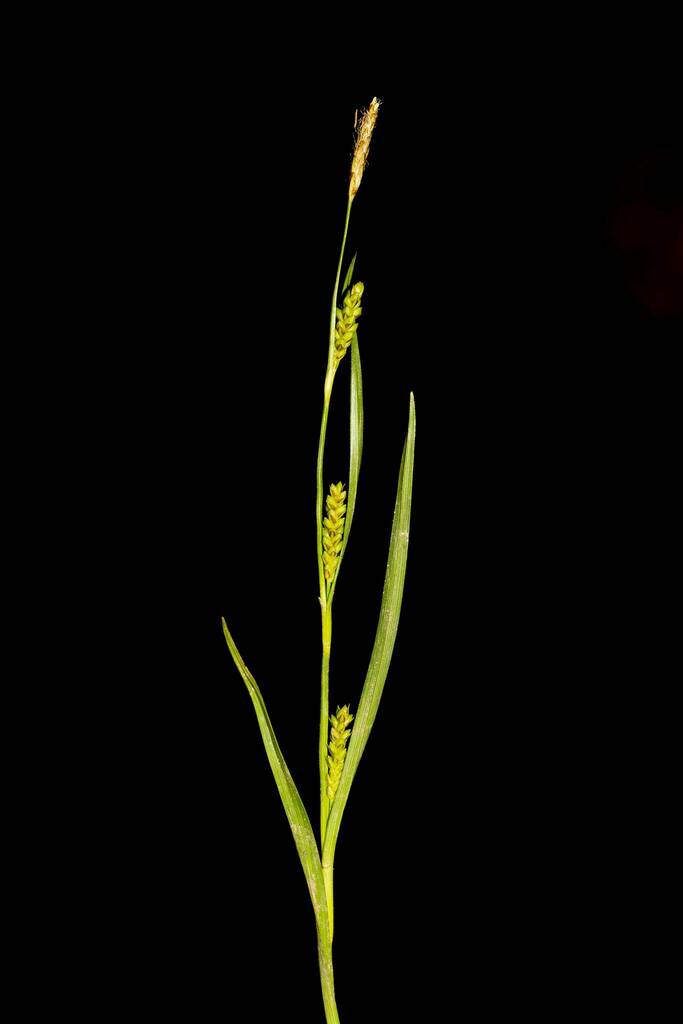
Carex
- Origin
- North America
- Part used
- Leaves
- Tradition
- Traditional ethnobotany
Among the wetland grasses of North America, sedges of the genus Carex hold a quiet but ancient place in the uses of Indigenous peoples. Less well known than the great medicinal plants, these grass-like plants of marshes and riverbanks mainly served as practical aids, woven, infused, or applied according to everyday needs. Their traditional memory remains fragmentary and deserves to be approached with humility.
Traditional uses
Bedding and woven material
The long, fibrous leaves of Carex were traditionally dried and woven to make mats, bedding, and various ties, a utilitarian use widely attested among several peoples of North America.
An occasional light infusion
Certain communities report the use of a light infusion of Carex leaves as a supplementary drink, with no clear dominant indication, more in a dietary than a medicinal setting.
A rudimentary soothing compress
The fresh leaves, crushed or dampened, were reportedly applied locally as a rough compress to minor skin irritation, according to poorly documented folk uses.
Fiber for ritual weaving
Beyond healing, Carex held a place in certain craft and symbolic practices, its leaves serving as raw material for woven objects for ceremonial or everyday use.
Before you use it
The medicinal use of Carex remains very poorly documented and rests on no solidly established tradition; caution advises against relying on it for therapeutic use. Confusion is possible with other wetland plants, some of them toxic; rigorous botanical identification is essential before any harvesting. Avoid any ingestion outside a well-identified, occasional food use, for lack of reliable tolerance data. Consult a health professional before any use, particularly for pregnant or breastfeeding women, children, or those undergoing treatment.
The detailed notebook
- Prepared as a paste or decoction
- Traditional duration of use
- Known contraindications
- Related species and their uses
Where to find it
Partner herbalists — available with the detailed notebook.
Sources
PFAF, Wikipedia