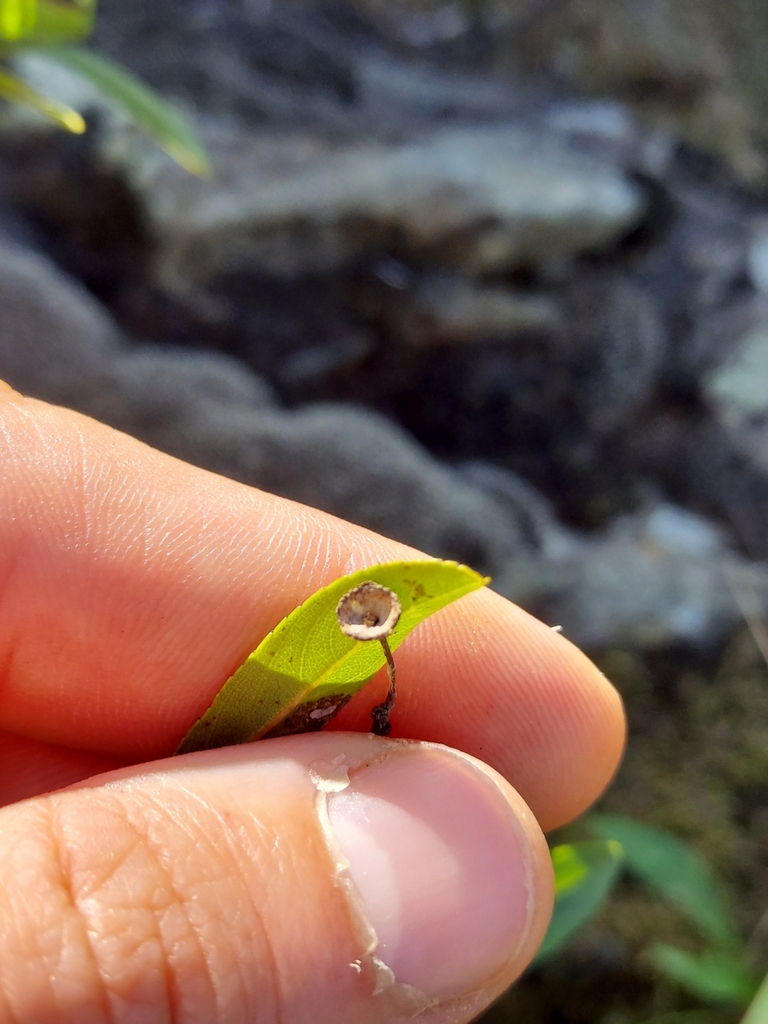
Ceanothus herbaceus
- Origin
- North America
- Part used
- Root
- Tradition
- Traditional ethnobotany
Ceanothus herbaceus, a humble shrub of North America's prairies and woodland edges, was known to Indigenous peoples long before settlers discovered its properties. Its rich, dark root was used to prepare decoctions employed in folk traditions to support the respiratory and lymphatic systems. It was long nicknamed "prairie tea" or "redroot," in reference to the color of its root bark.
Traditional uses
Traditional support for the airways
The root decoction was used in North American folk pharmacopoeia to help with bronchial and throat ailments, particularly persistent coughing.
A cleansing, lymphatic tradition
Nineteenth-century herbalists credited Ceanothus root with cleansing properties, using it to support the lymphatic system and help with states of congestion.
A traditional use as a gargle
As a concentrated decoction, the root was traditionally used as a gargle to soothe sore throats and inflammation of the oral mucous membranes.
An external application on the skin
Certain Native American traditions report the use of root-based preparations externally for the care of irritated skin.
Before you use it
As this plant is little studied by modern science, its use should remain supervised by a health professional or an experienced herbalist. Discouraged for pregnant or breastfeeding women, for lack of sufficient safety data. Ceanothus root can interact with certain anticoagulant treatments or those affecting blood clotting; seek a doctor's advice if undergoing treatment. Do not exceed occasional traditional uses; avoid prolonged consumption without supervision.
The detailed notebook
- Prepared as a paste or decoction
- Traditional duration of use
- Known contraindications
- Related species and their uses
Where to find it
Partner herbalists — available with the detailed notebook.
Sources
PFAF, Wikipedia